What Is a Suitcase Ramp? What This Means
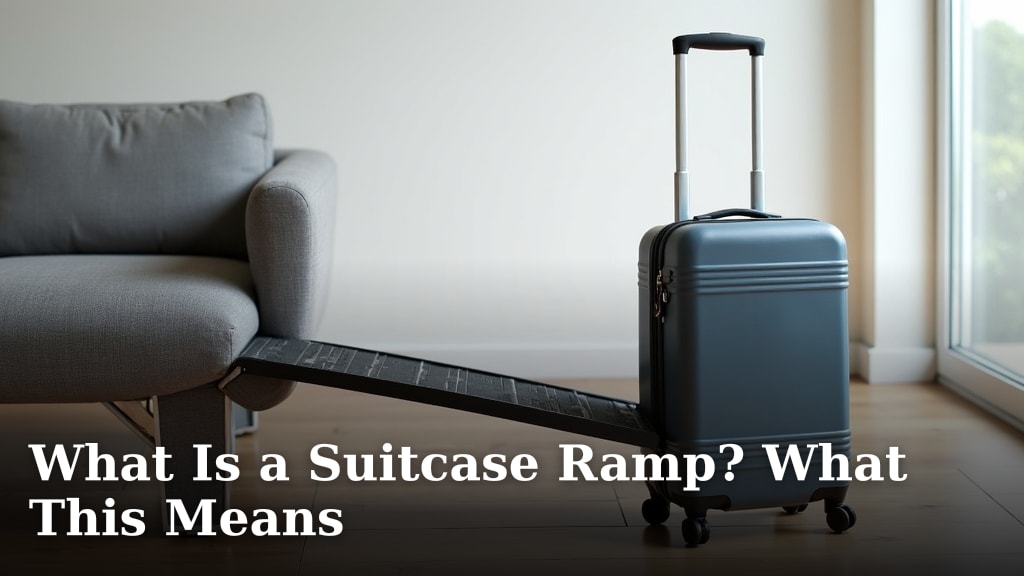
A suitcase ramp, also known as a luggage ramp, is a portable ramp designed to help you easily move heavy suitcases, carts, or other wheeled items over small obstacles like curbs or stairs. It’s essentially a portable bridge for your luggage. Think of it as a handy helper for anyone who travels or needs to move items frequently.
These ramps are made from durable materials like aluminum or heavy-duty plastic. They often feature non-slip surfaces for safety and can support a considerable amount of weight. Using one means you can avoid straining your back or struggling to lift heavy bags. They are particularly useful for navigating uneven sidewalks or getting items into a vehicle.
- A suitcase ramp helps move heavy luggage over obstacles.
- It’s a portable, durable solution for curbs and stairs.
- Key features include non-slip surfaces and strong weight support.
- It prevents strain and makes moving items much easier.
We found that these ramps can be a real lifesaver, especially when traveling solo or when dealing with particularly cumbersome items. Let’s walk through exactly what a suitcase ramp is and why it might be a good addition to your gear.
Understanding Suitcase Ramps and Their Purpose
So, what exactly is a suitcase ramp? Think of it as a portable helper for your luggage. It’s a specially designed ramp that makes it easier to move wheeled items over small barriers. You might have seen them used to get a rolling suitcase up a curb or over a single step. They are a simple but effective tool.
These ramps are built for convenience and ease of use. They bridge small gaps that would otherwise require you to lift or drag your items. This helps prevent damage to your luggage and, more importantly, saves you from unnecessary physical strain. We found that their design is focused on practicality.
How Suitcase Ramps Work
The basic idea behind a suitcase ramp is straightforward. It creates a smooth, inclined surface. You place the ramp against the obstacle, like a curb or a short set of stairs. Then, you simply roll your suitcase or cart up the ramp. This transforms a difficult lift into an easy push or pull. The basic idea behind a suitcase ramp is straightforward, and understanding its slope ratio can be helpful.
Key Components and Design Features
Suitcase ramps are typically made from durable materials. Aluminum is a common choice because it’s strong yet lightweight. Some models might use heavy-duty plastic or composite materials. These materials need to withstand the weight of your luggage and frequent use.
Safety is a big part of the design. Most suitcase ramps feature a non-slip surface. This ensures your wheels maintain good traction, preventing them from sliding. They often have raised edges or side rails too. These help guide your wheels and keep them from rolling off the ramp.
Weight capacity is another important feature. You want a ramp that can safely support the heaviest items you plan to move. Manufacturers usually provide this information, so always check it before buying. A ramp that’s too weak could bend or break, leading to accidents.
Portability and Storage
One of the biggest advantages of a suitcase ramp is its portability. Many are designed to be lightweight and compact. Some even fold in half or have a carrying handle. This makes them easy to transport in your car or store when not in use.
You might wonder where you’d store such a thing. If you travel frequently, keeping it in your car trunk is common. If you use it at home for deliveries or moving items, a closet or garage corner works well. Their compact nature means they don’t take up much space.
Common Uses for Suitcase Ramps
Suitcase ramps are incredibly versatile. Their primary purpose is to help with rolling luggage, but they can do much more. Think about any small, everyday obstacles you encounter. A suitcase ramp can often solve the problem.
Navigating Travel and Transportation
For travelers, these ramps are a godsend. Getting a heavy suitcase from a parking lot onto a sidewalk can be tough. A ramp makes this transition smooth. It’s especially helpful at airports, train stations, or bus depots where you might encounter ramps and curbs.
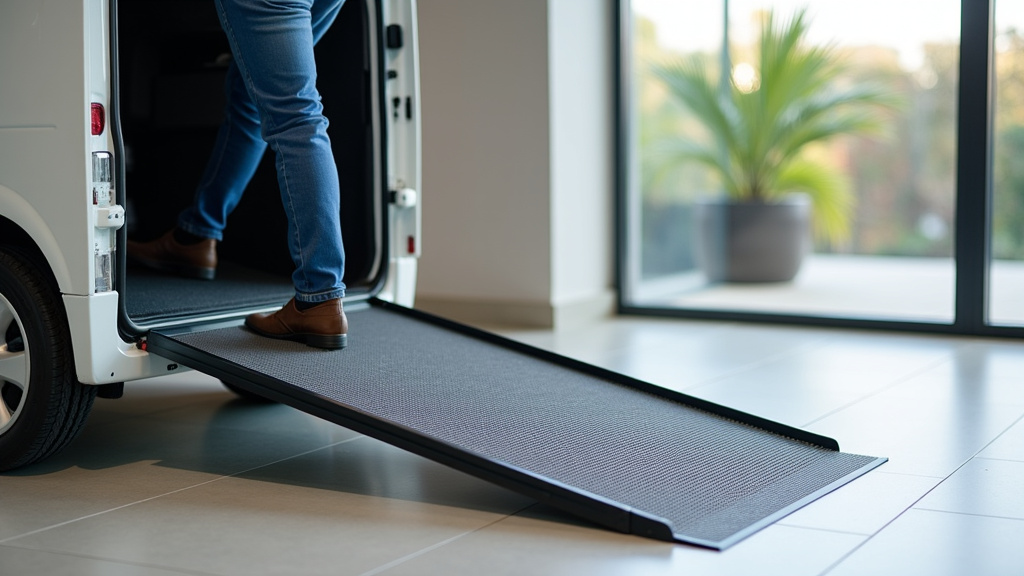
Loading and unloading luggage into a vehicle is another common use. If you have a higher vehicle like an SUV or a truck, getting heavy bags in can be a challenge. A suitcase ramp can create a gentle slope, making it much easier to roll items in and out. We found this to be a significant benefit for people with mobility issues.
Everyday Home and Work Applications
Suitcase ramps aren’t just for travelers. Do you often move heavy boxes, grocery carts, or even large appliances? If you have a step into your garage or a small lip at your doorway, a ramp can help. It makes moving these items less of a chore.
Many small businesses could benefit too. If you receive regular deliveries or need to move inventory, a ramp can streamline the process. It helps employees avoid back strain and speeds up workflow. Think of a small shop owner moving stock from their delivery van to the store.
Here’s a quick checklist to see if a suitcase ramp might fit your needs:
- Do you frequently encounter curbs with your rolling luggage?
- Do you struggle to lift heavy bags into your car or truck?
- Do you have a small step at your home or business entrance?
- Do you need to move wheeled carts or trolleys over uneven surfaces?
- Are you looking for a way to reduce physical strain when moving items?
- Do you value portable and easy-to-store solutions?
Types of Suitcase Ramps Available
When you start looking for a suitcase ramp, you’ll notice a few different styles. Each has its own advantages. The best one for you depends on your specific needs and the types of obstacles you face.
Folding Ramps
Folding ramps are very popular for their storage convenience. They typically fold in half, making them more compact. Some models might even fold into a smaller, more manageable size for easy carrying.
We found that folding ramps are a great choice if you need to keep the ramp in your car trunk or a small storage space. They offer a good balance between utility and portability. However, the folding mechanism can sometimes be a point of weakness, so check the build quality.
Single-Piece Ramps
Single-piece ramps are usually simpler in design. They don’t fold, meaning they are a solid, continuous ramp. This can sometimes make them more robust and stable than folding models.
The trade-off is that they are less compact for storage and transport. If you have a dedicated space for the ramp and don’t need to move it often, a single-piece ramp might be a good, sturdy option. They can offer a very smooth transition.
Adjustable and Telescoping Ramps
Some advanced ramps offer adjustability. Telescoping ramps, for instance, can extend to different lengths. This makes them suitable for a wider range of obstacles, from small curbs to slightly higher steps.
These types of ramps offer the most flexibility. You can customize the length to fit the specific situation. However, they can also be more expensive and potentially heavier due to the added mechanisms. Always ensure the locking mechanism is secure when extended.
Materials and Durability Considerations
The material a suitcase ramp is made from directly impacts its strength, weight, and longevity. Understanding these differences helps you choose a ramp that will last.
Aluminum Ramps
Aluminum is a favored material for many suitcase ramps. It’s known for its excellent strength-to-weight ratio. This means you get a strong ramp that isn’t excessively heavy to carry or store. Aluminum also resists rust, which is great for outdoor use.
Many aluminum ramps have a natural silver finish or a painted coating. Both are generally durable. We found that brushed or textured aluminum surfaces often provide better grip than smooth ones.
Plastic and Composite Ramps
Heavy-duty plastic and composite materials are also used. These can be very durable and often resistant to corrosion. Some plastic ramps are designed to be very lightweight, making them easy to handle.
The downside to some plastic ramps is that they might not be as rigid as aluminum ones. For very heavy loads, an aluminum ramp might feel more secure. Always check the weight limit and read reviews to ensure the plastic is high-quality and won’t crack under stress.
Weight Capacity and Safety Ratings
It’s critical to know how much weight a suitcase ramp can safely support. Overloading a ramp can lead to damage or serious injury. Manufacturers usually provide a weight capacity rating.
This rating is often listed in pounds (lbs) or kilograms (kg). For example, a ramp might be rated for 300 lbs, 500 lbs, or more. Always choose a ramp with a capacity well above the weight of your heaviest item. It’s wise to add a little buffer for safety.
Safety ratings can also come from independent testing organizations. While less common for simple suitcase ramps, some higher-end mobility aids undergo such testing. Look for certifications if available, although for most standard suitcase ramps, the manufacturer’s stated capacity is the primary guide (Consumer Product Safety Commission).
Key Features to Look For
When shopping for a suitcase ramp, several features can make a big difference in your experience. Prioritizing these can lead to a more satisfying purchase.
Non-Slip Surfaces
As mentioned before, a non-slip surface is crucial for safety. This can be a textured pattern on the ramp’s surface, a rubberized coating, or even integrated grip strips. It prevents your wheels from skidding, especially if the ramp gets wet.
Edge Protection and Guide Rails
Raised edges or guide rails on the sides of the ramp are very helpful. They act as a barrier, keeping your suitcase wheels from veering off the ramp. This adds an extra layer of security, especially when maneuvering around tight corners.
Portability Features
Consider how you’ll transport and store the ramp. Look for features like a folding design, a carrying handle, or a lightweight construction. If you plan to use the ramp infrequently, these features might be less critical than if you use it daily.
Ease of Setup
A good suitcase ramp should be easy to set up quickly. You shouldn’t need tools or a complex procedure to deploy it. Most portable ramps are designed for instant use – just place them down and go.
Here’s a quick comparison table to help you visualize some common options:
| Ramp Type | Pros | Cons | Best For |
|---|---|---|---|
| Folding Ramps | Compact storage, portable | Can be less sturdy than single-piece | Travel, car trunk storage |
| Single-Piece Ramps | Often very sturdy, simple design | Less portable, takes up more space | Home use, frequent stationary use |
| Telescoping/Adjustable Ramps | Flexible length for different obstacles | Can be more expensive, heavier | Varied obstacle heights, maximum versatility |
Ultimately, a suitcase ramp is a practical tool designed to make moving heavy, wheeled items much easier. By understanding its purpose and key features, you can find one that perfectly suits your needs and makes your journeys or daily tasks smoother.
Conclusion
As we’ve seen, a suitcase ramp is a practical tool that simplifies moving wheeled items over obstacles. It’s designed to save you physical strain and prevent damage to your luggage or cargo. Whether you’re navigating busy travel hubs, loading your car, or managing items at home, these ramps offer a straightforward solution. When choosing one, consider its material, weight capacity, and portability features. Take a moment to assess the common challenges you face and select a ramp that best fits your specific needs for a smoother experience.
Frequently Asked Questions
Can a suitcase ramp be used on stairs?
Suitcase ramps are generally designed for small, single steps or curbs, not full flights of stairs. While some longer ramps might help with a few steps, they are not a substitute for a proper stair lift or accessibility ramp for extensive staircases.
How much weight can a typical suitcase ramp hold?
Weight capacity varies by model, but many common suitcase ramps can support between 300 to 500 pounds. Always check the manufacturer’s stated weight limit to ensure it’s suitable for your heaviest items and add a safety buffer.
Are suitcase ramps difficult to store?
Most suitcase ramps are designed for portability and easy storage. Folding models can become quite compact, and even single-piece ramps are usually lightweight enough to store in a car trunk or a small space like a closet or garage.
What is the main benefit of using a suitcase ramp?
The primary benefit is reducing physical strain. Instead of lifting heavy luggage or carts over obstacles like curbs, you can simply roll them up the ramp, saving your back and energy.
Can I use a suitcase ramp for anything other than luggage?
Yes, absolutely. Suitcase ramps are great for moving rolling suitcases, but they can also be used for heavy grocery carts, delivery boxes, tool carts, small appliances, or any wheeled item you need to get over a small lip or step.