Skip to content

Wheelchair Survivor

  • Home
  • About UsExpand
    • Affiliate Disclosure
    • How We Test Wheelchair Ramps
    • Privacy Policy
    • Terms & Conditions
    • Contact Us
Wheelchair Survivor
  • What Is a Removable Wheelchair Ramp? A Focused Guide
    Wheelchair Ramp Guide

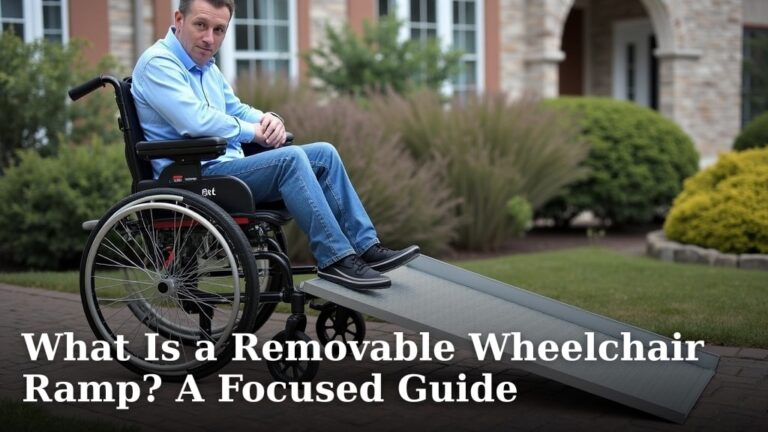
    What Is a Removable Wheelchair Ramp? A Focused Guide

    ByWheelchair Survivor September 25, 2026

    A removable wheelchair ramp is a portable ramp that can be easily taken down and moved. It offers a temporary accessibility solution for navigating small steps or thresholds. You can use these ramps when a permanent installation isn’t practical. These ramps are designed for convenience and quick setup. They are often made from lightweight materials…


    Read More What Is a Removable Wheelchair Ramp? A Focused GuideContinue

  • What Is a Modular Ramp System Made Of? The Quick Version
    Wheelchair Ramp Guide

    What Is a Modular Ramp System Made Of? The Quick Version

    ByWheelchair Survivor September 25, 2026

    A modular ramp system is typically made of strong, durable materials like aluminum, steel, or heavy-duty plastic composites. These components are designed to connect easily, forming a custom ramp solution. You can often find them made from recycled materials, too. When building a modular ramp, manufacturers choose materials that can withstand heavy use and various…
    Read More What Is a Modular Ramp System Made Of? The Quick VersionContinue

  • What Is a Wheelchair Ramp Kit? A Simple Guide
    Wheelchair Ramp Guide

    What Is a Wheelchair Ramp Kit? A Simple Guide

    ByWheelchair Survivor September 25, 2026

    A wheelchair ramp kit is a pre-packaged set of components designed to help you build or install a ramp for wheelchair accessibility. These kits often include all the necessary ramps, connectors, and hardware. They make setting up a safe and compliant ramp much simpler for homeowners. You can find kits for various needs, from temporary…

    Read More What Is a Wheelchair Ramp Kit? A Simple GuideContinue

  • How Is a Portable Ramp Different From a Modular Ramp?
    Wheelchair Ramp Guide

    How Is a Portable Ramp Different From a Modular Ramp?

    ByWheelchair Survivor September 24, 2026

    A portable ramp is designed for temporary use and is lightweight, often folding for easy transport. In contrast, a modular ramp is a more permanent, customizable system built from sections. We found that understanding this key difference helps you choose the right ramp for your needs. Think of a portable ramp as your go-to for…

    Read More How Is a Portable Ramp Different From a Modular Ramp?Continue

  • What Is a Folding Wheelchair Ramp? A Fresh Look
    Wheelchair Ramp Guide

    What Is a Folding Wheelchair Ramp? A Fresh Look

    ByWheelchair Survivor September 24, 2026

    A folding wheelchair ramp is a portable ramp that folds up for easy storage and transport. It’s designed to help overcome small steps or curbs, making spaces more accessible for wheelchair users and those with mobility challenges. Think of it as your mobile step solution. These ramps come in various materials and lengths, offering a…

    Read More What Is a Folding Wheelchair Ramp? A Fresh LookContinue

  • What Is a Suitcase Ramp? What This Means
    Wheelchair Ramp Guide

    What Is a Suitcase Ramp? What This Means

    ByWheelchair Survivor September 24, 2026

    A suitcase ramp, also known as a luggage ramp, is a portable ramp designed to help you easily move heavy suitcases, carts, or other wheeled items over small obstacles like curbs or stairs. It’s essentially a portable bridge for your luggage. Think of it as a handy helper for anyone who travels or needs to…

    Read More What Is a Suitcase Ramp? What This MeansContinue

  • Why Does Ramp Length Increase With Total Rise? A Few Basics
    Wheelchair Ramp Guide

    Why Does Ramp Length Increase With Total Rise? A Few Basics

    ByWheelchair Survivor September 23, 2026

    The ramp length increases with the total rise because of a simple geometric principle. This ensures your ramp maintains a safe and manageable slope. Think of it like this: the higher you need to go, the longer the ramp must be to keep the climb gradual. Our guide can help you calculate wheelchair ramp length…

    Read More Why Does Ramp Length Increase With Total Rise? A Few BasicsContinue

  • How Do You Calculate Ramp Length in Metric? A Fresh Look
    Wheelchair Ramp Guide

    How Do You Calculate Ramp Length in Metric? A Fresh Look

    ByWheelchair Survivor September 23, 2026

    Calculating ramp length in metric is straightforward once you understand the basic relationship between rise and run. You simply need to know the total height (rise) the ramp needs to cover and the maximum allowed slope (ratio of rise to run). We found that for accessibility, a common metric slope is 1:12, meaning for every…

    Read More How Do You Calculate Ramp Length in Metric? A Fresh LookContinue

  • What Are the Types of Wheelchair Ramps? What's Involved
    Wheelchair Ramp Guide

    What Are the Types of Wheelchair Ramps? What’s Involved

    ByWheelchair Survivor September 23, 2026

    Wheelchair ramps come in several main types, designed for different needs and situations. You’ll find permanent ramps, portable ramps, and modular ramps. Each type offers a unique solution for home or public access. Understanding these options is key to finding the best fit for your situation. Choosing the right ramp depends on factors like temporary…

    Read More What Are the Types of Wheelchair Ramps? What’s InvolvedContinue

  • What Is a Good Ramp for a Single Garage Step? A Short Guide
    Wheelchair Ramp Guide

    What Is a Good Ramp for a Single Garage Step? A Short Guide

    ByWheelchair Survivor September 22, 2026

    Finding the right ramp for a single garage step is simpler than you might think. A good ramp offers stable access without taking up too much space. You’re looking for something sturdy, with a non-slip surface, and the correct height and width for your specific step. Many readily available options can make getting in and…

    Read More What Is a Good Ramp for a Single Garage Step? A Short GuideContinue

  • How Long Can a Portable Wheelchair Ramp Be? The Overview
    Wheelchair Ramp Guide

    How Long Can a Portable Wheelchair Ramp Be? The Overview

    ByWheelchair Survivor September 22, 2026

    The length of a portable wheelchair ramp can vary greatly, with common options ranging from 2 feet up to 10 feet or even longer. The best length for you depends entirely on the specific height difference you need to overcome, like a single step or a full flight of stairs. When choosing, think about the…

    Read More How Long Can a Portable Wheelchair Ramp Be? The OverviewContinue

  • Is a 30 Foot Wheelchair Ramp Too Long? A Quick Overview
    Wheelchair Ramp Guide

    Is a 30 Foot Wheelchair Ramp Too Long? A Quick Overview

    ByWheelchair Survivor September 22, 2026

    Yes, a 30-foot wheelchair ramp can be perfectly fine, but it’s not always the best solution. A ramp’s length is directly tied to its slope, and a 30-foot ramp might be necessary to achieve a safe and accessible incline, especially for significant height changes. We found that ramp length is a key factor in accessibility…

    Read More Is a 30 Foot Wheelchair Ramp Too Long? A Quick OverviewContinue

  • What Is a Wheelchair Ramp Size Chart Used For? The Real Answer
    Wheelchair Ramp Guide

    What Is a Wheelchair Ramp Size Chart Used For? The Real Answer

    ByWheelchair Survivor September 21, 2026

    A wheelchair ramp size chart is used to help you determine the correct length and width for a ramp. This ensures it’s safe and meets accessibility standards for wheelchairs and scooters. A ramp that’s too short or narrow can be difficult or impossible to use. Getting the right dimensions is key for easy and safe…

    Read More What Is a Wheelchair Ramp Size Chart Used For? The Real AnswerContinue

  • What Is a Ramp Length and Height Calculator? The Rundown
    Wheelchair Ramp Guide

    What Is a Ramp Length and Height Calculator? The Rundown

    ByWheelchair Survivor September 21, 2026

    A ramp length and height calculator is a simple tool that helps you figure out the right measurements for a ramp. You enter the desired height, and it tells you how long the ramp needs to be. This is vital for ensuring a ramp is safe and meets accessibility standards. Understanding these calculations is key…

    Read More What Is a Ramp Length and Height Calculator? The RundownContinue

  • What Is the Recommended Ramp Length for a 1 Inch Rise?
    Wheelchair Ramp Guide

    What Is the Recommended Ramp Length for a 1 Inch Rise?

    ByWheelchair Survivor September 21, 2026

    For a 1-inch rise, the recommended ramp length is typically 12 inches. This follows the standard rule of thumb for accessibility ramps, ensuring a safe and manageable slope. A 1:12 slope ratio is widely accepted by accessibility standards, meaning for every 1 inch of vertical rise, you need 12 inches of horizontal ramp length. This…

    Read More What Is the Recommended Ramp Length for a 1 Inch Rise?Continue

  • What Is the Maximum Rise Before a Ramp Needs an Extra Landing?
    Wheelchair Ramp Guide

    What Is the Maximum Rise Before a Ramp Needs an Extra Landing?

    ByWheelchair Survivor September 20, 2026

    A ramp needs an extra landing after a rise of 30 inches. This rule ensures your ramp stays safe and manageable for users. It’s a key building code requirement designed with accessibility in mind, so you don’t have to guess. We found this 30-inch limit is pretty standard across many regulations. Why 30 inches, you…

    Read More What Is the Maximum Rise Before a Ramp Needs an Extra Landing?Continue

  • What Is the Maximum Ramp Length Allowed Before a Landing?
    Wheelchair Ramp Guide

    What Is the Maximum Ramp Length Allowed Before a Landing?

    ByWheelchair Survivor September 20, 2026

    The maximum ramp length allowed before a landing depends on specific building codes and accessibility standards, but generally, there is no single maximum length specified universally. Instead, ramps are regulated by other factors like slope and required landings at intervals. Building codes focus on making ramps safe and usable, not on an arbitrary length limit….

    Read More What Is the Maximum Ramp Length Allowed Before a Landing?Continue

  • How Do You Plan Ramp Length for a Mobile Home? What to Expect
    Wheelchair Ramp Guide

    How Do You Plan Ramp Length for a Mobile Home? What to Expect

    ByWheelchair Survivor September 20, 2026

    Planning ramp length for a mobile home involves considering the slope, height, and local building codes. The goal is to create a ramp that is both safe and easy to use. A properly measured ramp ensures accessibility without being too steep or excessively long. You’ll need to measure the total rise from the ground to…

    Read More How Do You Plan Ramp Length for a Mobile Home? What to ExpectContinue

  • How Do You Calculate Ramp Length for a Porch? What This Means
    Wheelchair Ramp Guide

    How Do You Calculate Ramp Length for a Porch? What This Means

    ByWheelchair Survivor September 19, 2026

    Calculating ramp length for a porch is all about the slope, and the standard slope is usually 1:12. This means for every inch of height you need to rise, you need one foot of ramp length. So, if your porch is 30 inches high, you’d need a 30-foot ramp. This ensures a safe and accessible…

    Read More How Do You Calculate Ramp Length for a Porch? What This MeansContinue

  • What Is a Rise to Length Ratio Chart? A Handy Guide
    Wheelchair Ramp Guide

    What Is a Rise to Length Ratio Chart? A Handy Guide

    ByWheelchair Survivor September 19, 2026

    A rise to length ratio chart is a simple way to understand how steep or shallow a ramp or slope is. It compares the vertical height (rise) to the horizontal distance (length) to show you its incline. This helps you judge if a ramp is safe for wheelchairs or if a driveway will be too…

    Read More What Is a Rise to Length Ratio Chart? A Handy GuideContinue

  • What Is the Rise to Run Ratio for a Wheelchair Ramp? The Facts
    Wheelchair Ramp Guide

    What Is the Rise to Run Ratio for a Wheelchair Ramp? The Facts

    ByWheelchair Survivor September 19, 2026

    The rise to run ratio for a wheelchair ramp is a critical measurement that determines its safety and usability. For most applications, the recommended ratio is 1:12, meaning for every 1 inch of vertical rise, you need 12 inches of horizontal run. This standard ensures ramps are not too steep for wheelchair users to navigate…

    Read More What Is the Rise to Run Ratio for a Wheelchair Ramp? The FactsContinue

  • How Many Feet of Ramp Are Needed per Inch of Rise? Explained
    Wheelchair Ramp Guide

    How Many Feet of Ramp Are Needed per Inch of Rise? Explained

    ByWheelchair Survivor September 18, 2026

    You’re likely wondering: how many feet of ramp you need per inch of rise. The general rule of thumb, recommended by accessibility standards, is to use 12 feet of ramp for every 1 inch of rise. This ensures a gentle slope that is safe and easy to navigate for everyone. So, for a 10-inch rise,…

    Read More How Many Feet of Ramp Are Needed per Inch of Rise? ExplainedContinue

  • What Is a Rise Over Run Calculator Used For? A Clear Breakdown
    Wheelchair Ramp Guide

    What Is a Rise Over Run Calculator Used For? A Clear Breakdown

    ByWheelchair Survivor September 18, 2026

    A rise over run calculator is primarily used to determine the slope of a line or a surface. It helps you calculate the steepness of things like roofs, ramps, or stairs by dividing the vertical change (rise) by the horizontal change (run). This simple calculation gives you a clear understanding of how steep something is….

    Read More What Is a Rise Over Run Calculator Used For? A Clear BreakdownContinue

  • How Long Is a Ramp for a 36 Inch Rise? What You Need to Know
    Wheelchair Ramp Guide

    How Long Is a Ramp for a 36 Inch Rise? What You Need to Know

    ByWheelchair Survivor September 18, 2026

    For a 36-inch rise, you’ll typically need a ramp that’s 72 inches long. This follows the standard 1:12 slope ratio, meaning 1 inch of rise requires 12 inches of ramp length. So, a 36-inch rise means 36 x 12 = 432 inches of ramp. Wait, that’s not right! Let’s recalculate: The Our guide on how…

    Read More How Long Is a Ramp for a 36 Inch Rise? What You Need to KnowContinue

  • How Long Is a Ramp for an 8 Inch Rise? The Essentials
    Wheelchair Ramp Guide

    How Long Is a Ramp for an 8 Inch Rise? The Essentials

    ByWheelchair Survivor September 17, 2026

    For an 8-inch rise, you’ll typically need a ramp that is To determine the correct ramp length, you need to calculate wheelchair ramp length based on the rise.96 inches long. This ensures a safe and gradual slope. A common standard is a 1:12 ratio, meaning 1 inch of rise requires 12 inches of ramp length….

    Read More How Long Is a Ramp for an 8 Inch Rise? The EssentialsContinue

  • How Long Does a Ramp Need to Be for 5 Steps? A Practical Guide
    Wheelchair Ramp Guide

    How Long Does a Ramp Need to Be for 5 Steps? A Practical Guide

    ByWheelchair Survivor September 17, 2026

    For 5 steps, you’ll need a ramp that is 10 to 15 feet long. This ensures a safe and manageable slope for most users. Building your own ramp requires careful measurement, and understanding the correct length is the first step to a successful and safe project. Getting the ramp length right is key to preventing…

    Read More How Long Does a Ramp Need to Be for 5 Steps? A Practical GuideContinue

  • How Long Does a Ramp Need to Be for 4 Steps? What It Means
    Wheelchair Ramp Guide

    How Long Does a Ramp Need to Be for 4 Steps? What It Means

    ByWheelchair Survivor September 17, 2026

    For 4 steps, you’ll generally need a ramp that is 8 feet long. This provides a gentle slope that is safe and accessible for most people. The exact length can vary slightly depending on building codes and the specific needs of the users. Getting the ramp length right is key to making your steps easier…

    Read More How Long Does a Ramp Need to Be for 4 Steps? What It MeansContinue

  • How Long Does a Ramp Need to Be for 3 Steps? The Key Facts
    Wheelchair Ramp Guide

    How Long Does a Ramp Need to Be for 3 Steps? The Key Facts

    ByWheelchair Survivor September 16, 2026

    For three steps, you’ll generally need a ramp that is around 3 to 4 feet long. This ensures a gentle slope, making it safe and easy to navigate for wheelchairs, walkers, or even strollers. The exact length depends on the total rise of your steps, but this range is a good starting point for understanding…

    Read More How Long Does a Ramp Need to Be for 3 Steps? The Key FactsContinue

  • How Long Does a Ramp Need to Be for 2 Steps? A Closer Look
    Wheelchair Ramp Guide

    How Long Does a Ramp Need to Be for 2 Steps? A Closer Look

    ByWheelchair Survivor September 16, 2026

    For two steps, a ramp needs to be at least 24 inches long. This length provides a safe and manageable slope for most mobility devices. We found that a minimum of 12 inches of ramp length per inch of rise is a common recommendation. So, if your steps are 6 inches high each, totaling 12…

    Read More How Long Does a Ramp Need to Be for 2 Steps? A Closer LookContinue

  • How Much Ramp Length Is Needed for a 24 Inch Rise? The Basics
    Wheelchair Ramp Guide

    How Much Ramp Length Is Needed for a 24 Inch Rise? The Basics

    ByWheelchair Survivor September 16, 2026

    For a 24-inch rise, you’ll generally need a ramp length of 48 inches to 120 inches, depending on the slope. A gentler slope is safer and easier to use, which means you’ll need more ramp length. We found that a common recommendation is a 1:12 slope ratio, meaning 1 inch of rise for every 12…

    Read More How Much Ramp Length Is Needed for a 24 Inch Rise? The BasicsContinue

  • How Much Ramp Length Is Needed for a 12 Inch Rise? Quick Fixes
    Wheelchair Ramp Guide

    How Much Ramp Length Is Needed for a 12 Inch Rise? Quick Fixes

    ByWheelchair Survivor September 15, 2026

    You’ll likely need a ramp length of about 144 inches for a 12-inch rise if you’re aiming for a 1:12 slope, which is a common standard for accessibility. This means for every inch you need to go up, you need 12 inches of ramp length. This calculation ensures a gentle incline that’s safe and easy…

    Read More How Much Ramp Length Is Needed for a 12 Inch Rise? Quick FixesContinue

  • How Do You Measure Rise for a Wheelchair Ramp? What This Means
    Wheelchair Ramp Guide

    How Do You Measure Rise for a Wheelchair Ramp? What This Means

    ByWheelchair Survivor September 15, 2026

    You measure the rise of a wheelchair ramp by calculating its vertical height. This is the total distance from the ground level to the top of the ramp. It’s also called the rise. You need this measurement to determine the ramp’s length and slope. A properly measured rise ensures your ramp is safe and meets…

    Read More How Do You Measure Rise for a Wheelchair Ramp? What This MeansContinue

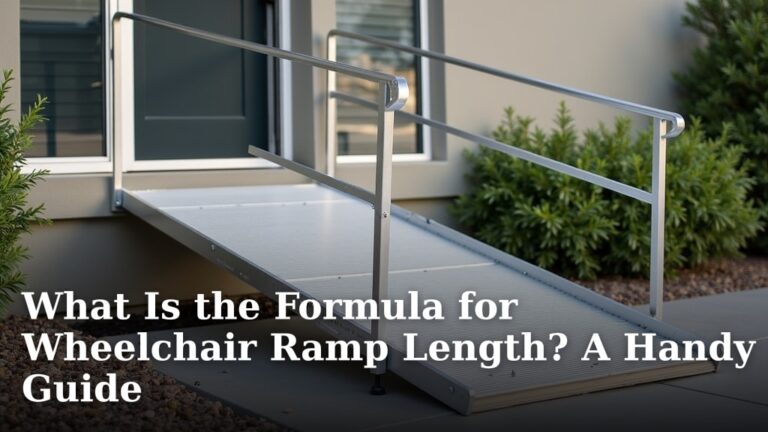
  • What Is the Formula for Wheelchair Ramp Length? A Handy Guide
    Wheelchair Ramp Guide

    What Is the Formula for Wheelchair Ramp Length? A Handy Guide

    ByWheelchair Survivor September 15, 2026

    The formula for wheelchair ramp length is pretty straightforward! It’s based on a simple ratio: for every 1 inch of rise (how high the ramp needs to go), you need at least 12 inches of ramp length. This ensures a safe and manageable slope, often referred to as the 1:12 slope ratio. Understanding this ratio…

    Read More What Is the Formula for Wheelchair Ramp Length? A Handy GuideContinue

  • How Do You Calculate Wheelchair Ramp Length From Rise?
    Wheelchair Ramp Guide

    How Do You Calculate Wheelchair Ramp Length From Rise?

    ByWheelchair Survivor September 14, 2026

    Calculating wheelchair ramp length from rise is simpler than you might think. You generally need a ramp that is 12 inches long for every 1 inch of rise. This is often called the 1:12 slope ratio, a common standard for accessibility. Knowing this basic rule helps you determine the space you’ll need. This ratio ensures…

    Read More How Do You Calculate Wheelchair Ramp Length From Rise?Continue

  • What Is a Slope Meter Used For? A Quick Guide
    Wheelchair Ramp Guide

    What Is a Slope Meter Used For? A Quick Guide

    ByWheelchair Survivor September 14, 2026

    A slope meter is a tool used to accurately measure the steepness or angle of a surface. You might also hear it called an inclinometer or a tilt meter. It helps you understand how much something is leaning. This is important for ensuring things are installed correctly or for safety checks. These handy devices are…

    Read More What Is a Slope Meter Used For? A Quick GuideContinue

  • What Is a 1 to 20 Ramp Slope Used For? Quick Fixes
    Wheelchair Ramp Guide

    What Is a 1 to 20 Ramp Slope Used For? Quick Fixes

    ByWheelchair Survivor September 14, 2026

    A 1 to 20 ramp slope is a gentle incline where every 1 inch of height requires 20 inches of horizontal length. It is primarily used to create wheelchair access and improve safety for pedestrians, carts, or equipment. This specific ratio helps meet ADA guidelines for accessible ramps. We found that this slope is a…

    Read More What Is a 1 to 20 Ramp Slope Used For? Quick FixesContinue

  • What Is a Cross Slope on a Wheelchair Ramp? The Rundown
    Wheelchair Ramp Guide

    What Is a Cross Slope on a Wheelchair Ramp? The Rundown

    ByWheelchair Survivor September 13, 2026

    A cross slope is the side-to-side angle of a wheelchair ramp, measured as a percentage. It describes how much the ramp tilts to the left or right, and it must stay within strict safety limits to prevent tipping. Getting this angle right is a key part of building a safe, accessible ramp. A proper cross…

    Read More What Is a Cross Slope on a Wheelchair Ramp? The RundownContinue

  • What Is a Slope Ratio in Construction? A Few Basics
    Wheelchair Ramp Guide

    What Is a Slope Ratio in Construction? A Few Basics

    ByWheelchair Survivor September 13, 2026

    Conclusion You now understand what a slope ratio is and why it’s a key part of construction planning. It’s a simple way to show how steep a surface is, and getting it right matters for safety and drainage. Whether you’re building a driveway, a foundation, or a retaining wall, the slope ratio you choose will…

    Read More What Is a Slope Ratio in Construction? A Few BasicsContinue

  • What Tool Do You Use to Measure Ramp Slope? The Details
    Wheelchair Ramp Guide

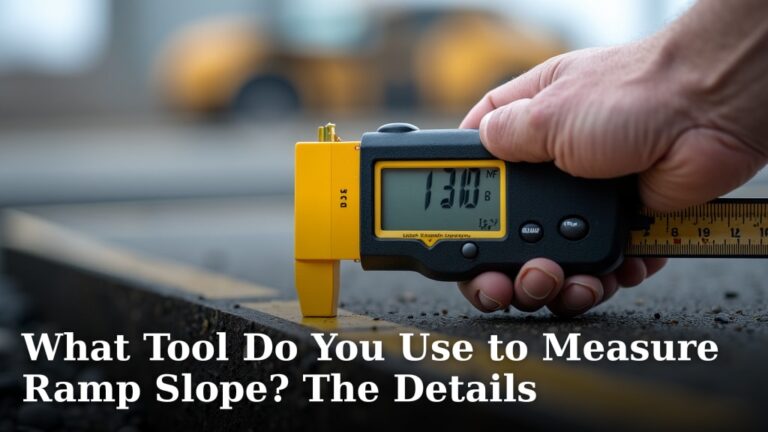
    What Tool Do You Use to Measure Ramp Slope? The Details

    ByWheelchair Survivor September 13, 2026

    Measuring Ramp Slope: The Right Tools for the Job To measure ramp slope accurately, you can use a basic carpenter’s level or a digital inclinometer. These simple tools provide the precision needed for safety and compliance. Getting the slope right isn’t just a technicality—it’s about creating safe access for everyone. Understanding Slope Basics Slope is…

    Read More What Tool Do You Use to Measure Ramp Slope? The DetailsContinue

  • How Do You Convert Ramp Slope to Degrees? A Clear Breakdown
    Wheelchair Ramp Guide

    How Do You Convert Ramp Slope to Degrees? A Clear Breakdown

    ByWheelchair Survivor September 12, 2026

    To convert a ramp slope to degrees, you use the inverse tangent (tan⁻¹) function on the ratio of the rise to the run. Specifically, you take the rise (vertical change) divided by the run (horizontal distance), then calculate the arctangent of that number to get the angle in degrees. This is the standard mathematical formula…

    Read More How Do You Convert Ramp Slope to Degrees? A Clear BreakdownContinue

  • How Many Degrees Is a Wheelchair Ramp Slope? The Essentials
    Wheelchair Ramp Guide

    How Many Degrees Is a Wheelchair Ramp Slope? The Essentials

    ByWheelchair Survivor September 12, 2026

    A wheelchair ramp slope is typically 1:12 ratio, which equals a 4.76-degree angle. This means for every inch of height, the ramp must be at least 12 inches long. It’s the standard safety rule we found in most building codes. Getting this slope right is about safety and legal compliance. Too steep, and it’s dangerous…

    Read More How Many Degrees Is a Wheelchair Ramp Slope? The EssentialsContinue

  • Is There a Minimum Slope for a Wheelchair Ramp? The Overview
    Wheelchair Ramp Guide

    Is There a Minimum Slope for a Wheelchair Ramp? The Overview

    ByWheelchair Survivor September 12, 2026

    Understanding Minimum Slope Requirements for Wheelchair Ramps Yes, there is a recommended minimum slope for wheelchair ramps to ensure safety and accessibility. Most guidelines focus on maximum steepness, but a slope that is too gentle can create its own problems. We found that the ideal slope balances ease of use with practical design. You might…

    Read More Is There a Minimum Slope for a Wheelchair Ramp? The OverviewContinue

  • What Is a Switchback Wheelchair Ramp? The Full Picture
    Wheelchair Ramp Guide

    What Is a Switchback Wheelchair Ramp? The Full Picture

    ByWheelchair Survivor September 11, 2026

    A switchback wheelchair ramp is a ramp that makes two turns as it goes up, like a Z shape on its side. It is a smart way to reach a higher door when you do not have enough straight space for one long ramp. The zig-zag design saves a lot of horizontal room. This type…

    Read More What Is a Switchback Wheelchair Ramp? The Full PictureContinue

  • What Is a Wheelchair Ramp Slope Chart? The Real Answer
    Wheelchair Ramp Guide

    What Is a Wheelchair Ramp Slope Chart? The Real Answer

    ByWheelchair Survivor September 11, 2026

    Understanding the Wheelchair Ramp Slope Guide A wheelchair ramp slope chart is a simple visual tool that shows the correct angle or steepness for a ramp. It helps you build a ramp that is safe and usable for someone in a wheelchair or using a walker. Think of it as a cheat sheet that takes…

    Read More What Is a Wheelchair Ramp Slope Chart? The Real AnswerContinue

© 2026 Wheelchair Survivor

  • Home
  • About Us
    • Affiliate Disclosure
    • How We Test Wheelchair Ramps
    • Privacy Policy
    • Terms & Conditions
    • Contact Us