How Is a Portable Ramp Different From a Modular Ramp?

A portable ramp is designed for temporary use and is lightweight, often folding for easy transport. In contrast, a modular ramp is a more permanent, customizable system built from sections. We found that understanding this key difference helps you choose the right ramp for your needs.
Think of a portable ramp as your go-to for quick trips, like getting over a single step to visit a friend. A modular ramp, on the other hand, is like building a custom pathway for consistent access, perhaps leading to your home’s main entrance. Many people consider portability versus permanence the main deciding factor.
TL;DR:
- Portable ramps are for temporary use and easy moving.
- Modular ramps are more permanent and built from sections.
- Portability is the biggest difference.
- Consider how often and where you’ll use the ramp.
- Your choice depends on your accessibility needs.
Let’s walk through exactly how these ramp types differ, so you can make the best choice for your situation.
Understanding the Differences: Portable vs. Modular Ramps
Choosing the right ramp can make a big difference in accessibility. You might be wondering how a portable ramp differs from a modular one. We’ve researched this, and the main distinction boils down to purpose and permanence. A portable ramp is built for short-term use and easy movement. A modular ramp is designed for a more fixed, long-term solution.
Think of it like this: a portable ramp is like a good pair of walking shoes you can slip on and off. A modular ramp is more like custom-built shelving that fits a specific space perfectly. We found that understanding these core differences will help you decide which is the best fit for your needs.
What Exactly is a Portable Ramp?
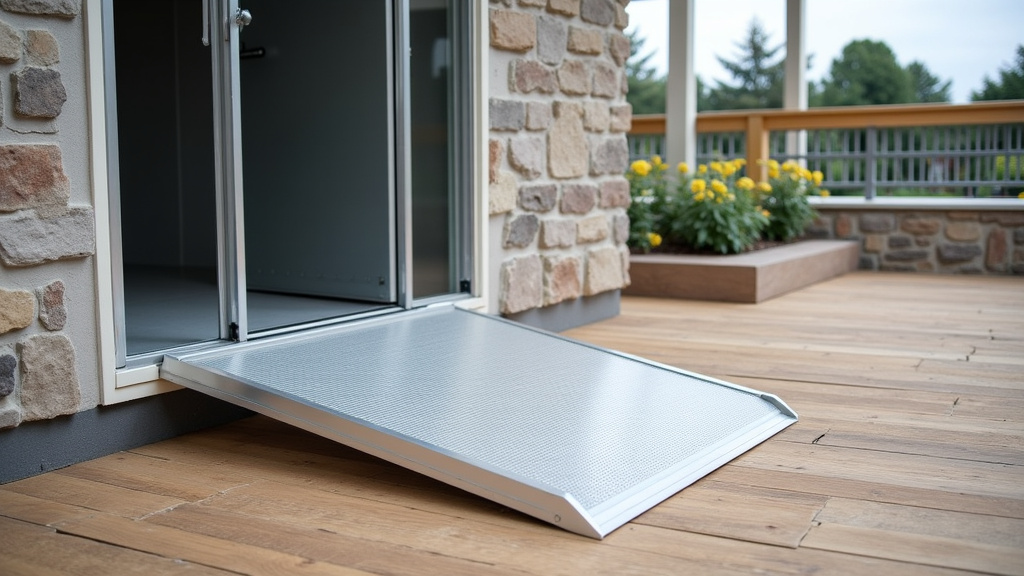
A portable ramp, often called a transition ramp or folding ramp, is designed for temporary access over small obstacles. These are perfect for navigating single steps, curbs, or small rises. They are usually made from lightweight materials like aluminum. This makes them easy to carry and move from one spot to another.
You’ll often find them folded in half or thirds for compact storage. Many portable ramps come with handles, making them even more convenient to transport. They are a great solution when you need access for a limited time or in various locations. We found that their lightweight design is a major selling point for many shoppers.
Key Features of Portable Ramps
- Portability: This is their defining feature. They are designed to be easily carried or transported.
- Lightweight Construction: Made from materials like aluminum to reduce weight.
- Folding Design: Many fold for compact storage and transport.
- Temporary Use: Best for short-term needs or infrequent obstacles.
- Ease of Use: Simple to set up and take down.
When to Choose a Portable Ramp
Consider a portable ramp if you only need to get over a single step at an entrance. Maybe you visit a friend’s house occasionally and they have a small porch step. Or perhaps you need to move equipment over a low threshold in a garage. We found that they are also useful for events or temporary setups. If you need to bridge a small gap for a short period, this is likely your best option.
They are not typically designed for continuous, heavy use. Think of them as a helpful tool for specific, limited situations. Their simplicity and portability make them a popular choice for many. We found that shoppers often appreciate how quickly they can deploy these ramps.
What is a Modular Ramp System?
A modular ramp system is a more permanent and customizable solution. Instead of a single, portable piece, these ramps are built from pre-fabricated sections. These sections can be combined in various ways to create ramps of different lengths and configurations. This allows for a tailored fit for your specific needs.
Modular ramps are typically constructed from sturdier materials like aluminum or steel. They are designed for consistent, everyday use. Because they are assembled from sections, they can adapt to changes in your accessibility needs. We found that this adaptability is a significant advantage over other ramp types.
Key Features of Modular Ramps
- Customizable: Can be configured to fit specific spaces and lengths.
- Permanent Installation: Designed for long-term, consistent access.
- Durable Construction: Made from robust materials for frequent use.
- Sectional Design: Built from interchangeable parts for flexibility.
- Integrated Features: Often include handrails and level-offs for added safety.
When to Choose a Modular Ramp
A modular ramp is the better choice for most situations requiring long-term accessibility. If you need to navigate a significant rise, like getting to your front door from the sidewalk, a modular system is ideal. These ramps provide a stable and secure path for daily use. They are designed to withstand repeated use by individuals, mobility devices, and sometimes even heavier equipment.
We found that people who need reliable, everyday access often prefer modular ramps. They offer a more integrated and professional look compared to portable options. If you’re looking for a solution that won’t need to be moved or dismantled regularly, this is likely the way to go. Their ability to handle varied terrain is also a plus.
Comparing Key Differences: Portability vs. Permanence
The most obvious difference is indeed their portability. A portable ramp is designed to be picked up and moved. A modular ramp is installed and intended to stay in place. This fundamental difference influences everything from their construction to their typical use cases.
Think about how often you’ll need the ramp and where it will be used. If it’s for occasional use at different locations, portable makes sense. If it’s for consistent access at your home or business, modular is usually the way to go. We found that this is the primary factor most shoppers consider.
Material and Durability Considerations
Portable ramps are often made from lightweight aluminum. This keeps them light enough to carry easily. While durable for their intended purpose, they might not withstand the same level of constant stress as a modular system. They are built for convenience, not necessarily for heavy, daily wear and tear.
Modular ramps, on the other hand, use more robust materials. Aluminum is still common, but it’s often thicker and designed for structural integrity. Some systems might use steel for even greater strength. These materials ensure the ramp can handle frequent use and weight over extended periods. Many guidelines recommend sturdy materials for safety (CDC).
Installation and Setup
Setting up a portable ramp is usually very straightforward. You simply place it where needed. Some might have simple attachment mechanisms for added security. There’s typically no permanent installation required. This makes them incredibly user-friendly for immediate needs.
Modular ramps, however, require installation. They are assembled from sections and often need to be secured to the ground or a structure. This process can be straightforward for simpler setups, but more complex configurations might require professional help. We found that while the initial setup takes more effort, it results in a much more stable and secure access point.
Cost Factors and Value
Portable ramps are generally more affordable upfront. Their simpler design and construction contribute to a lower price point. This makes them an attractive option for those on a tighter budget or with very limited needs. They offer good value for occasional use.
Modular ramps represent a larger investment. The cost reflects their customizable nature, durable materials, and the fact that they are a long-term solution. While the initial cost is higher, their longevity and adaptability can provide excellent long-term value. We found that considering the lifespan and frequency of use helps determine the overall value for both types.
Making the Right Choice for You
So, which ramp is right for your situation? It really comes down to your specific needs and how you plan to use it.
Your Ramp Checklist:
- Assess your most frequent accessibility needs.
- Consider the height and type of obstacles you need to overcome.
- Think about how often you’ll need to move the ramp.
- Decide if you need a temporary or permanent solution.
- Evaluate your budget for the initial purchase and potential long-term value.
- Consult with healthcare professionals or accessibility experts if unsure.
By thinking through these points, you can confidently select the ramp that will best serve your accessibility goals. We found that taking the time to understand these differences ensures you get the most practical and effective solution for your home or lifestyle.
Conclusion
You’ve learned that portable ramps are fantastic for temporary needs and easy transport, while modular ramps offer a sturdy, customizable, long-term solution. Your choice depends on how often and where you’ll need reliable access. Portable ramps are your quick fix for occasional small obstacles. Modular ramps provide a permanent, secure pathway for daily use. Take a moment to review your specific accessibility needs. Then, you can confidently select the ramp that best fits your situation and lifestyle.
Frequently Asked Questions
Can a portable ramp be used as a permanent solution?
Portable ramps are not designed for permanent installation. They are built for temporary use and easy removal. Relying on a portable ramp for continuous, long-term accessibility might not provide the necessary stability or safety.
Are modular ramps difficult to install yourself?
The installation difficulty for modular ramps can vary. Simpler configurations might be manageable for DIYers. However, more complex setups often benefit from professional installation to ensure proper stability and adherence to safety codes.
Which type of ramp is better for uneven surfaces?
Modular ramps are generally better for uneven surfaces. Their sectional design allows for more flexibility in configuration. Many modular systems include adjustable components that can adapt to changes in terrain more effectively than a single portable ramp.
Can I use a portable ramp to get over a large set of stairs?
Portable ramps are typically designed for small rises, like single steps or curbs. They are not suitable for navigating large sets of stairs. For significant elevation changes, a modular ramp system or other accessibility solutions would be more appropriate.
Do portable ramps require any maintenance?
Portable ramps require minimal maintenance. You should check them periodically for any damage or wear, especially on the surface and any support legs. Keeping them clean will also help ensure their longevity and safe use.