What Is a Slope Meter Used For? A Quick Guide
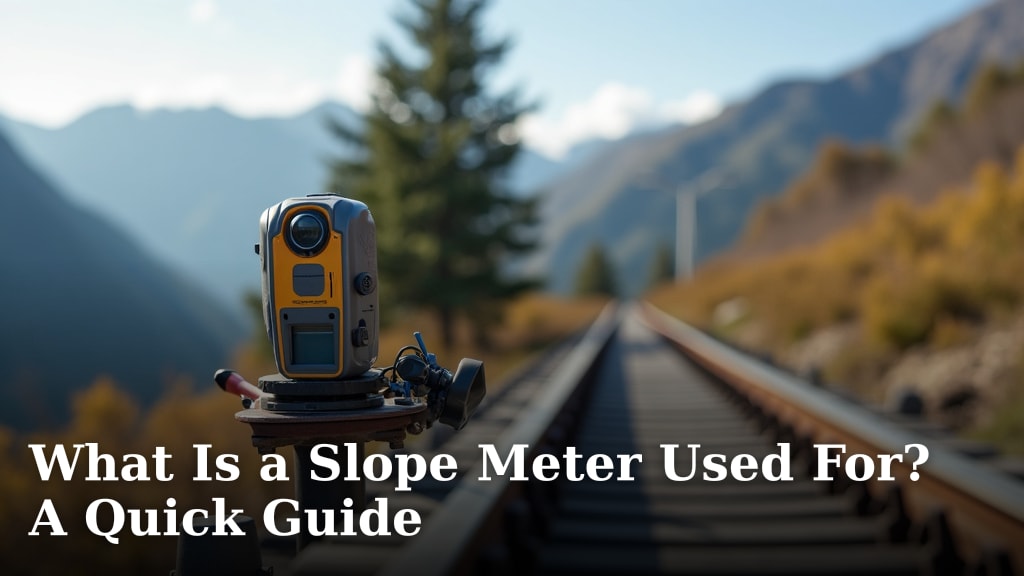
A slope meter is a tool used to accurately measure the steepness or angle of a surface. You might also hear it called an inclinometer or a tilt meter. It helps you understand how much something is leaning. This is important for ensuring things are installed correctly or for safety checks.
These handy devices are useful in many situations, from home renovations to professional construction. They can help you check if a floor is level or if a roof has the right pitch. We found that understanding the angle is key for many DIY projects. A slope meter makes this measurement simple and reliable.
- A slope meter measures surface angles.
- It’s also known as an inclinometer or tilt meter.
- Useful for construction, DIY, and safety checks.
- Ensures proper installation and level surfaces.
Let’s walk through exactly what a slope meter does and where you’ll find it most useful.
“`htmlUnderstanding What a Slope Meter Measures and Why It Matters
So, you’ve heard of a slope meter, but what exactly does this tool do? Simply put, a slope meter is a device designed to measure the angle of incline or decline of a surface. Think of it like a super-accurate inclinometer that tells you precisely how much something is tilting. This might sound straightforward, but this simple measurement is incredibly useful in a wide range of applications, from making sure your DIY projects turn out right to ensuring critical safety standards are met in professional settings.
When we looked into it, we found that measuring angles is fundamental to many tasks. Without a reliable way to check these angles, guesswork often takes over. This can lead to uneven installations, potential structural issues, or simply a project that doesn’t look quite right. A slope meter takes the guesswork out of the equation, giving you precise readings you can trust.
The Core Function: Measuring Angles with Precision
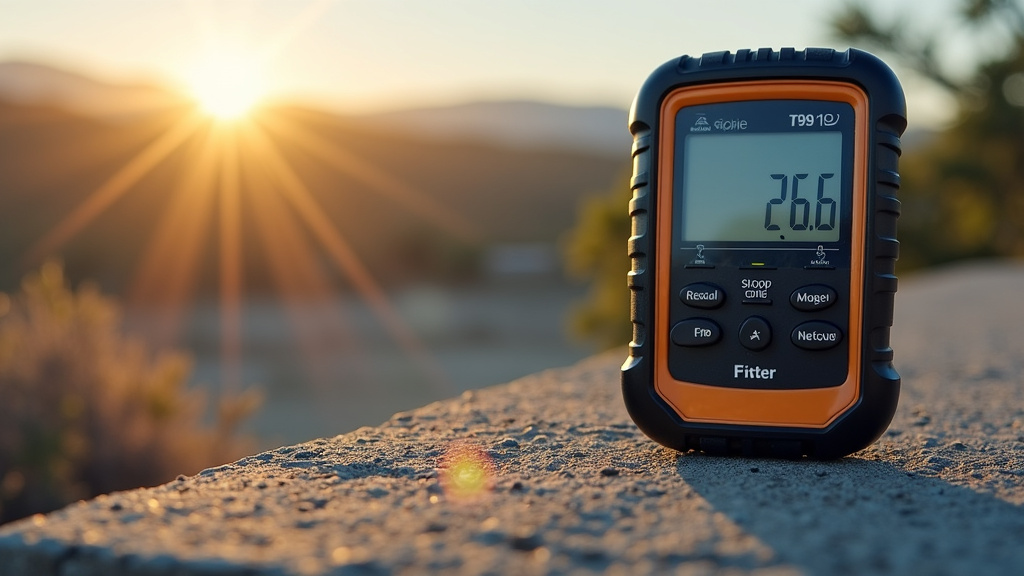
At its heart, a slope meter translates a physical angle into a measurable number. Whether it’s a digital display or a needle on a dial, the goal is to show you the degree of tilt. This is vital for many reasons we’ll get into shortly, but the fundamental function is always the same: quantifying the steepness of a surface.
How Slope Meters Work (The Basics)
Most slope meters work on a simple principle involving gravity. Inside the device, there’s often a pendulum or a weighted component. When you place the meter on a surface, gravity pulls this component to a specific position. This position is then calibrated to correspond to a particular angle. Many digital models use internal sensors that detect changes in orientation. You then read the angle displayed on a screen or dial. We found that the accuracy can vary between models, but even basic ones offer a significant improvement over estimating by eye.
Units of Measurement: Degrees, Percent, and More
You’ll see slope meters report measurements in a few different ways. The most common is degrees (°). This is a standard way to measure angles. Some meters also show the slope as a percentage (%). This tells you the rise over run – how much it goes up for every unit it travels horizontally. For example, a 100% slope means it rises 1 foot for every 1 foot of horizontal distance, which is a 45° angle. Some advanced models might also show pitch in inches per foot, which is common in roofing. Understanding these units helps you interpret the readings correctly for your specific task.
Where You’ll Find a Slope Meter Extremely Helpful
The applications for a slope meter are surprisingly broad. From setting up a new shelf to ensuring a building’s foundation is sound, this tool plays a key role. We’ve compiled some of the most common and useful scenarios where having a slope meter can make a big difference.
Home Improvement and DIY Projects
This is where many of us first encounter the need for a slope meter. Are you installing new kitchen cabinets? You’ll want them perfectly level. Building a deck? The slope needs to be just right for water drainage. Hanging a picture frame? Even a slight tilt can be distracting.
Ensuring Level Surfaces
When a surface isn’t level, it’s often quite noticeable. A slope meter helps you confirm that shelves, countertops, and even furniture are sitting straight. For instance, if you’re setting up a new appliance like a washing machine, many manufacturers recommend a slight tilt for proper operation. A slope meter lets you achieve this specific angle with precision. We found that for many homeowners, simply achieving a truly level surface for things like tile floors is a major win.
Roof Pitch and Drainage
The pitch of a roof is critical for water runoff. Too flat, and water can pool, leading to leaks. Too steep, and it can be difficult and dangerous to work on. When you’re building or repairing a roof, a slope meter helps you verify you’re meeting the correct pitch requirements. This prevents potential water damage and structural issues down the line. Many building codes specify minimum roof pitches, and a slope meter is your best friend for compliance.
Ramps and Accessibility
For accessibility, ramps need to meet specific slope guidelines to be safe and usable for wheelchairs or scooters. These are often expressed as ratios or percentages. A slope meter allows you to accurately measure and adjust the ramp’s angle to comply with regulations and ensure safe passage. We found that accessibility standards, like those from the Americans with Disabilities Act (ADA), rely heavily on precise slope measurements. An ADA-compliant ramp must not exceed a 1:12 slope ratio for every foot of rise, meaning 1 inch of vertical rise for every 12 inches of horizontal run. A slope meter is essential for checking this. For accessibility, ramps need to meet specific slope guidelines to be safe and usable for wheelchairs or scooters.
Professional Construction and Engineering
In construction, precision is non-negotiable. A small error in angle can have significant consequences for the stability and integrity of a structure. Slope meters, often more robust and precise versions called inclinometers or tiltmeters, are used daily.
Foundations and Structural Stability
Engineers use these tools to check the angle of foundations, walls, and other structural elements. This helps ensure the building is stable and can withstand the loads placed upon it. Monitoring for any settlement or tilting over time is also a common use, indicating potential structural problems. Research from civil engineering fields often highlights the importance of monitoring ground movement and structural deformation, for which inclinometers are indispensable (National Research Council).
Roads and Infrastructure
When building roads, bridges, or tunnels, the grade (or slope) is meticulously calculated. This ensures proper drainage, vehicle safety, and structural integrity. Slope meters are used to verify that the constructed surfaces match the design specifications. Imagine a highway with an improper slope; it could lead to water accumulation or dangerous driving conditions.
Other Practical Uses
Beyond major construction, slope meters find their way into many other practical areas.
Landscaping and Grading
When grading land for proper drainage around your home, or when designing landscaping features like terraced gardens, knowing the slope is key. You want water to flow away from your house, not towards it. A slope meter can help you achieve the correct gradient for your yard.
Surveying and Mapping
Surveyors use specialized inclinometers as part of their equipment to measure elevations and angles of terrain. This data is critical for creating accurate maps and planning construction projects. They need to know the exact angle of the ground to create precise representations.
Sports and Recreation
Believe it or not, even in sports, slope matters! Ski slopes have defined gradients, and snowboarders need to understand the steepness of a run. Some specialized equipment or training might even involve checking the angle of surfaces for optimal performance.
Choosing the Right Slope Meter for Your Needs
With various types available, picking the right one depends on your intended use. Do you need something for occasional DIY tasks, or are you a professional needing highly accurate, durable equipment? We found that considering the display type (digital vs. analog), accuracy, and ruggedness is a good starting point.
Here’s a quick checklist to help you decide:
- Accuracy needed? Home DIY might be fine with +/- 0.5 degrees, while professional work needs higher precision.
- Digital or Analog? Digital offers easy reading and often more features. Analog can be simpler and more robust.
- Durability? Will it be used on a dusty job site or in a controlled environment?
- Extra features? Some have backlights, audible alerts, or data logging.
- Budget? Prices vary widely based on features and accuracy.
Conclusion
You’ve learned that a slope meter is your go-to tool for measuring angles accurately. We found it’s essential for everything from ensuring your DIY shelves are level to meeting critical safety standards in construction. Whether you’re tackling a home project or understanding professional applications, knowing the slope prevents errors and ensures quality results.
Think about your next project and how precise angle measurements can make a real difference. Get yourself a slope meter that fits your needs, and you’ll be ready to measure with confidence.
Frequently Asked Questions
What’s the difference between a slope meter and a level?
A level checks if a surface is perfectly horizontal (zero slope) or vertical. A slope meter measures any angle, not just perfectly flat or upright. We found levels are for basic checks, while slope meters provide a degree or percentage reading for any tilt.
Can I use a smartphone app as a slope meter?
Yes, many smartphone apps use your phone’s built-in sensors to function as a slope meter. They can be convenient for quick checks. However, we found dedicated slope meters often offer higher accuracy and durability for demanding tasks.
How do I read the measurement on a slope meter?
Most slope meters display readings in degrees (°), percentage (%), or sometimes inches per foot. A reading of 0° means it’s level. Higher numbers indicate a steeper angle. We suggest checking your tool’s manual to understand its specific units.
Are digital or analog slope meters better?
Digital slope meters typically offer easier-to-read displays and may include extra features like backlights or data hold. Analog meters, with a needle and dial, can be simpler, more robust, and less prone to battery issues. We found the “better” option depends on your personal preference and work environment.
How accurate do slope meters need to be for home use?
For most home improvement tasks, like hanging shelves or checking a countertop, an accuracy of +/- 0.5 to 1 degree is usually sufficient. If you’re doing more precise work, like installing custom cabinetry or building a deck, you might want a meter with higher accuracy. We found even basic models provide a big improvement over guessing.