How Long Can a Portable Wheelchair Ramp Be? The Overview
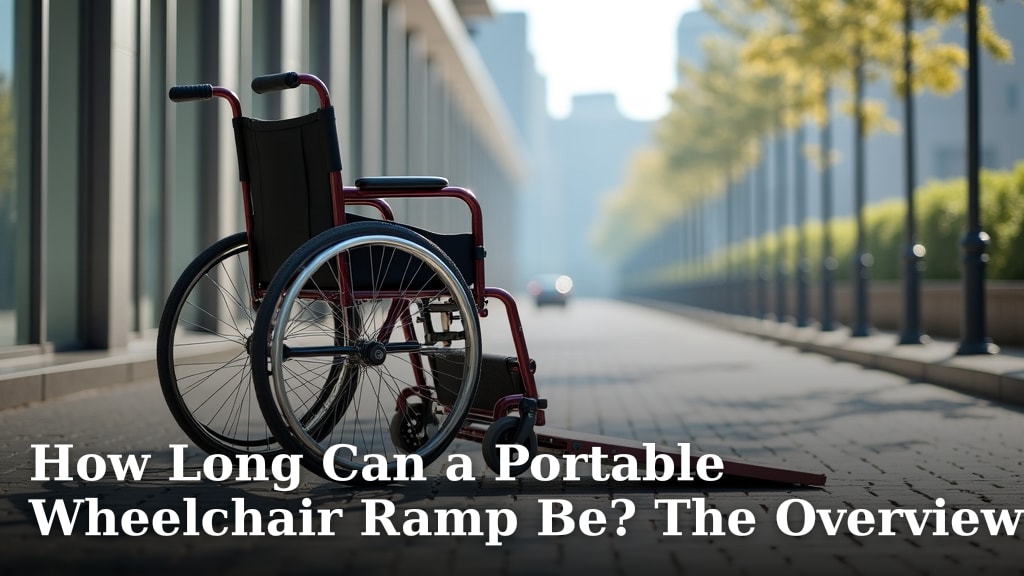
The length of a portable wheelchair ramp can vary greatly, with common options ranging from 2 feet up to 10 feet or even longer. The best length for you depends entirely on the specific height difference you need to overcome, like a single step or a full flight of stairs.
When choosing, think about the slope – a longer ramp creates a gentler, safer incline for users. We found that ramps exceeding 10 feet are often used for more substantial height changes. It’s important to match the ramp length to your situation for maximum accessibility and safety.
- Ramps commonly range from 2 to 10 feet.
- Longer ramps create a safer slope.
- Measure your height difference first. Measure your height difference first to calculate the necessary ramp length.
- Consider how much space you have available.
Below, we’ll help you figure out the best portable wheelchair ramp length for your needs so you can navigate your home with confidence.
Understanding Your Portable Wheelchair Ramp Length Needs
So, you’re looking for the right portable wheelchair ramp length. It’s a smart question to ask! Getting the length right means a smoother, safer journey for anyone using a wheelchair or mobility device. Too short, and you’ve got a steep hill. Too long, and it might not fit where you need it. We’ve found that picking the perfect length comes down to a few key factors you can easily measure and consider. Let’s break it down so you can find the best fit for your situation.
Why Ramp Length is So Important: The Slope Factor
The main reason ramp length matters is its direct relationship to the incline, or slope. Think of it like climbing a hill. A gentle slope is much easier and safer to navigate than a steep one. For wheelchairs and mobility scooters, a gentler slope means less effort for the user and less risk of tipping or losing control.
Understanding the Ideal Slope Ratio
You’ll often hear about slope ratios when discussing ramps. A common recommendation from accessibility guidelines is a 1:12 slope ratio. What does that mean? It means for every 1 inch of vertical rise (how high the step or threshold is), you need 12 inches of ramp length. This is considered a safe and manageable slope for most users.
For example, if you have a single step that is 6 inches high, you’d ideally want a ramp that is 72 inches long (6 inches x 12 inches/inch = 72 inches). That’s 6 feet of ramp! We’ve found that this ratio is widely accepted for making accessibility practical.
When a Gentler Slope is Needed
Sometimes, a 1:12 slope might still be a bit challenging. This is especially true for individuals with less upper body strength or those using manual wheelchairs. In these cases, many experts suggest aiming for an even gentler slope, like 1:15 or even 1:18. This means you’d need an even longer ramp for the same height difference.
For instance, using our 6-inch step example, a 1:15 slope would require a 90-inch ramp (6 inches x 15 inches/inch = 90 inches), which is 7.5 feet. A 1:18 slope would need a 108-inch ramp, or 9 feet. We found that many users feel more secure with these gentler inclines, especially for frequent use.
The Impact of a Steep Slope
A ramp that is too short for the height it needs to cover will have a steep slope. This can make it difficult and tiring for someone to propel themselves up. For caregivers assisting someone, a steep slope increases the risk of strain or injury. We’ve seen that safety is the top priority, and a steep slope can compromise it. For portable ramps, it’s essential to resist the temptation to use a short ramp if it creates a dangerous incline.
How to Measure for Your Ramp Length
The most critical step in choosing the right ramp length is accurate measurement. You need to know the vertical height you need to overcome. This is the The most critical step in choosing the right ramp length is accurate measurement.exact height difference from the lower ground level to the higher ground level.
Measuring Vertical Rise Accurately
Start by identifying the obstacle. This could be a single step, a porch, a threshold, or even a small set of stairs. You’ll need a measuring tape.
- For a step or curb: Place the end of your measuring tape on the ground level and extend it straight up to the top surface of the step or curb. This measurement is your vertical rise.
- For thresholds: Measure the height from the floor inside to the top of the threshold.
- For multiple steps: While portable ramps are generally not ideal for full flights of stairs, if you’re considering one for a few steps, you’d measure the total vertical rise from the bottom of the first step to the top of the last step. However, for more than two steps, a permanent ramp solution is usually safer and more practical.
We found that people often underestimate the height of their steps. Double-checking your measurement is always a good idea. Using a level can help ensure you’re getting a true vertical measurement.
Considering Available Space
Once you know the vertical rise and have calculated your needed ramp length based on the desired slope (remember 1:12 is a standard), you need to consider the space you have available for the ramp itself. Will the ramp fit comfortably without obstructing doorways or pathways?
For a 1:12 slope, a 6-inch rise needs a 72-inch (6-foot) ramp. This ramp will extend horizontally 6 feet out from the base of the rise. You need to ensure you have this much clear space on the ground or landing area. We’ve observed that tight entryways or small landings can limit the usable length of a ramp, sometimes forcing a steeper incline than ideal.
If you have limited space, you might need to look for a ramp with a steeper accepted slope or consider alternative accessibility solutions. However, if space allows, opting for a longer ramp to achieve a gentler slope is generally the safer choice. Always measure the usable ground space where the ramp will rest.
Common Portable Wheelchair Ramp Lengths and Their Uses
Portable ramps come in a variety of lengths, each suited for different situations. Knowing these common lengths can help you narrow down your choices. Many manufacturers offer lengths from 2 feet up to 10 feet, and sometimes even longer.
Short Ramps: 2 to 4 Feet
Ramps in the 2 to 4-foot range are typically designed for very small height differences. Think of single steps that are only a few inches high, or significant thresholds inside a home. For a 3-inch rise, a 3-foot ramp would give you a 1:12 slope (3 inches x 12 inches = 36 inches, or 3 feet). We found these are popular for overcoming minor obstacles like a high doorway sill or a single concrete step outside a patio door.
Medium Ramps: 5 to 8 Feet
This is a very common category and often the sweet spot for many home accessibility needs. A 5 to 8-foot ramp can handle moderate height changes, such as a 6-inch to 8-inch rise, while maintaining a safe slope. For example, an 8-foot ramp (96 inches) can accommodate a rise of up to 8 inches at a 1:12 slope (96 inches / 12 inches/inch = 8 inches). These are great for porches or small raised landings. Many users find these lengths provide a good balance between accessibility and portability.
Long Ramps: 9 to 10 Feet and Beyond
When you need to overcome a higher rise, like a 10-inch to 12-inch step, or if you want a significantly gentler slope for an 8-inch rise, you’ll be looking at ramps that are 9 feet or longer. A 10-foot ramp (120 inches) can manage a rise of up to 10 inches at a 1:12 slope. Some specialized portable ramps can be even longer, designed for situations where space allows for a very gradual incline, which is ideal for maximum comfort and safety.
We’ve found that ramps over 10 feet are less common for casual home use due to their size and weight, but they are essential for situations requiring the most gentle slopes over greater heights. If you are dealing with a rise larger than 12 inches, it’s often wise to consult with an accessibility professional.
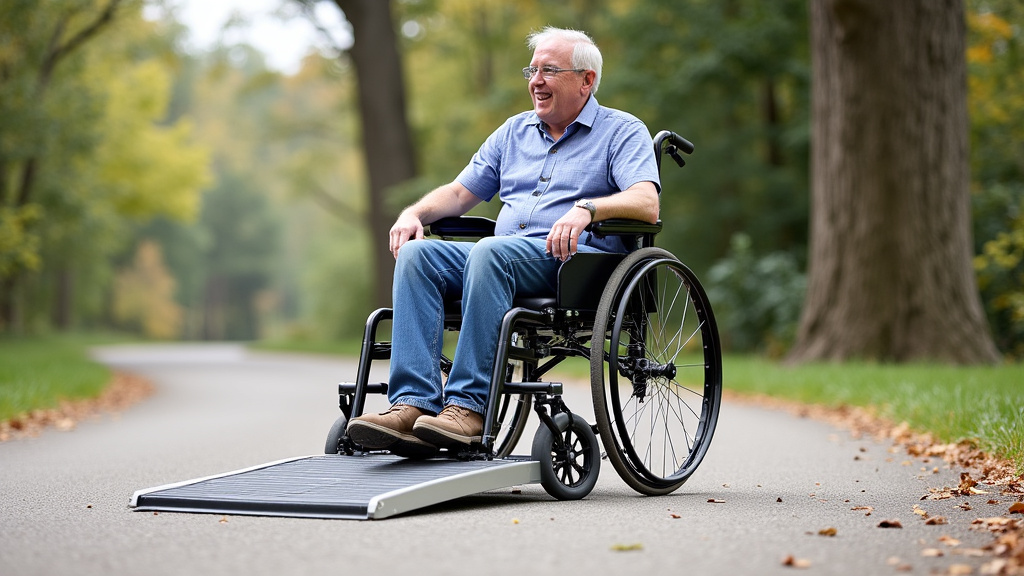
Factors That Influence Your Choice
Beyond just the height of the obstacle, several other factors can influence which ramp length is best for you. Thinking through these will ensure you make a well-informed decision.
Type of Mobility Device
Are you using a manual wheelchair, a power wheelchair, or a mobility scooter? The type of device and its weight can impact the required slope. Power wheelchairs and scooters generally have motors to assist with inclines, but a gentler slope is still always preferred for ease of use and battery conservation. Manual wheelchair users rely entirely on their own strength, making a gentler slope a necessity.
Research suggests that for manual wheelchair users, slopes should be as gentle as possible, often leaning towards the 1:15 or 1:18 ratios. We found that power mobility devices can handle steeper slopes, but manufacturers still recommend a maximum slope for safety and to prevent strain on the motors. Always check the specifications of your mobility device.
Frequency of Use
How often do you plan to use the ramp? If it’s for occasional use to get over a single step, a slightly steeper slope might be tolerable. However, if you’ll be using the ramp daily, multiple times a day, investing in a longer ramp to create a gentler slope is highly recommended for comfort and long-term usability.
Consider the effort involved. A gentler slope, achieved with a longer ramp, means less strain on the user and any caregiver assisting. We’ve observed that for high-traffic areas, the investment in a longer, gentler ramp pays off in everyday convenience and safety.
Portability Needs
The term “portable” means you’ll likely need to move and set up the ramp. Longer ramps are generally heavier and bulkier than shorter ones. While a 10-foot ramp might provide the ideal slope for a specific height, its weight and size might make it difficult to transport if you need to move it frequently.
Consider your physical ability to lift and carry the ramp, or if you’ll have assistance. Some longer ramps are designed with carrying handles or can be folded into more manageable sections. We found that weighing the need for a gentle slope against the demands of portability is a key part of the decision-making process for many shoppers.
A Quick Checklist for Choosing Your Ramp Length
To help you make the best choice, here’s a quick rundown of what to consider:
- Measure the vertical rise of the obstacle accurately.
- Calculate the ideal ramp length using a 1:12 slope ratio (or gentler if needed).
- Measure the available horizontal space for the ramp to extend.
- Consider the type of mobility device being used.
- Think about how often the ramp will be used.
- Assess your portability needs – how easy does it need to be to move?
By going through these steps, you’ll be well on your way to selecting a portable wheelchair ramp that meets your accessibility and safety needs.
Conclusion
Choosing the right portable wheelchair ramp length is key to safe and independent mobility. Remember, the 1:12 slope ratio is your starting point, but a gentler slope with a longer ramp is often better, especially for frequent use. Always measure your vertical rise accurately and consider the space you have available for the ramp to rest. By carefully assessing these factors – the rise, available space, your mobility device, and portability needs – you can select a ramp that truly fits your situation. Take these measurements and considerations with you to make an informed purchase and regain confidence navigating your environment.
Frequently Asked Questions
Can I use a portable ramp for more than one step?
Portable ramps are generally best for single steps or small height changes. If you have more than two steps, a longer portable ramp might become unwieldy, and a permanent ramp solution is usually a safer and more practical choice for consistent accessibility.
What is the longest portable wheelchair ramp typically available?
While lengths commonly range up to 10 feet, you can find specialized portable ramps that are longer, sometimes up to 12 feet or more. These longer options are designed for situations where a very gentle slope is needed over a greater vertical rise, provided there’s enough space for setup.
How do I know if my chosen ramp is too steep?
A ramp is likely too steep if its length doesn’t adequately accommodate the vertical rise using the 1:12 slope ratio. If you notice it’s difficult to ascend or descend, or if you feel unstable, the slope is probably too steep, and you may need a longer ramp or a different solution.
Does the weight of my wheelchair or scooter affect ramp length needs?
While mobility device weight doesn’t directly dictate ramp length, heavier devices can benefit more from gentler slopes. Power chairs and scooters can manage steeper inclines, but a longer ramp with a gentler slope will still conserve battery life and provide a smoother ride for any device.
What if I don’t have enough space for a longer ramp?
If your available space limits the ramp length you can use, you might have to accept a slightly steeper slope than ideal. In such cases, prioritize safety by ensuring the ramp still feels manageable and consider if a different type of accessibility solution, like a threshold ramp or a portable lift, might be more suitable.