How Many Degrees Is a Wheelchair Ramp Slope? The Essentials
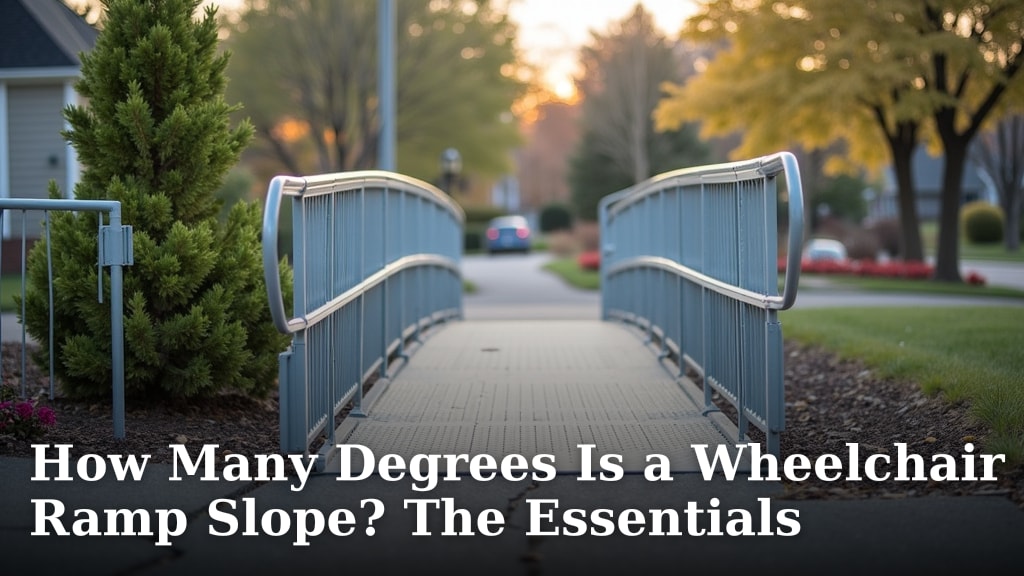
A wheelchair ramp slope is typically 1:12 ratio, which equals a 4.76-degree angle. This means for every inch of height, the ramp must be at least 12 inches long. It’s the standard safety rule we found in most building codes.
Getting this slope right is about safety and legal compliance. Too steep, and it’s dangerous for the user. Too shallow, and the ramp becomes unnecessarily long and expensive. The ADA guidelines set this standard to protect everyone.
- The standard slope is a 1:12 ratio.
- This converts to approximately 4.76 degrees.
- For a 30-inch rise, your ramp needs to be 30 feet long.
- A gentler slope is always safer and often required.
- Proper slope prevents tipping and makes pushing easier.
Below, we break down the exact measurements, the math behind the ratio, and the important safety rules you should know. You’ll see how to calculate the length you need for your specific project.
Understanding the Standard Slope Ratio for Wheelchair Ramps
The most common answer you’ll find is the 1:12 ratio. This is the minimum standard set by the Americans with Disabilities Act (ADA) for new public ramps. It means the ramp’s horizontal length must be at least 12 times its vertical height. For a ramp that goes up 1 foot, it needs to be 12 feet long.
This ratio isn’t just a random number. We found it’s based on a balance between safety and practicality. It creates a gentle incline that most manual wheelchair users can handle independently. It’s also steep enough that the ramp won’t take up an enormous amount of space in a building.
The Exact Degree Angle Explained
So, what is 1:12 as an angle? It converts to approximately 4.76 degrees. Think of it like this: the angle of a standard kitchen knife blade is about 15-20 degrees. The ADA slope is much less steep than that. It’s a very gentle rise.
That small angle makes a huge difference in effort. Pushing a wheelchair up a 4.76-degree slope requires significantly less force than climbing a steeper one. For those who power their own chair, this standard slope helps prevent fatigue and reduces the risk of their chair tipping backward.
Why This Specific Angle Is a Safety Requirement
Getting the slope right is about protecting people. A ramp that is too steep is a serious hazard. It can lead to loss of control, falls, or the wheelchair tipping over, especially when going up or down. The standard slope minimizes these dangers.
On the other hand, a slope that is too shallow has its own problems. It becomes impractically long, wasting space and materials. It might also require a large, complex landing area at the top or bottom. The ADA guidelines aim for that critical “just right” zone.
The Effort Required from the User
Consider the physics. A steeper angle means gravity is working harder against the person pushing the wheelchair. Many studies on accessible design emphasize that the 1:12 slope keeps the required pushing force within a manageable range for the average adult. This promotes independence and reduces the need for assistance.
For users with limited upper body strength or for those using power chairs with battery limits, every extra degree of steepness adds meaningful strain and risk. The standard is designed for the broadest range of users to be safe.
Reducing the Risk of Tipping
One of the biggest fears on a ramp is a backward tip. This risk increases dramatically with slope steepness. We found that maintaining the 1:12 ratio is a primary defense against this. It keeps the wheelchair’s center of gravity stable as it ascends. A safe descent also depends on this gentle angle to prevent the chair from rolling too fast.
How to Calculate Your Required Ramp Length
The math is simple once you know the rule. Just measure the total vertical rise (the height from the ground to the door or platform). Then, multiply that height in inches by 12 to get the minimum ramp length in inches.
For example, if your step is 24 inches high, your ramp must be at least 288 inches long (24 x 12). That equals 24 feet. Always round up your measurement to be safe.
A Quick-Reference Table for Common Heights
Here is a handy guide for typical situations. This assumes a straight ramp with no turns.
| Rise (Height) | Minimum Length (1:12) | Approximate Angle |
|---|---|---|
| 3 inches (1 step) | 36 inches (3 feet) | 4.76 degrees |
| 6 inches (2 steps) | 72 inches (6 feet) | 4.76 degrees |
| 12 inches (1 foot) | 144 inches (12 feet) | 4.76 degrees |
| 24 inches (2 feet) | 288 inches (24 feet) | 4.76 degrees |
| 30 inches (2.5 feet) | 360 inches (30 feet) | 4.76 degrees |
When You Might Need a Gentler Slope
While 1:12 is the standard minimum, sometimes gentler is better. Guidelines often suggest a 1:16 or even 1:20 slope for a more comfortable, “welcoming” experience. This is especially true in homes where elderly family members or those with significant mobility challenges live. It reduces effort and increases safety.
A gentler slope is also a great idea for ramps that will see heavy use or for those who may be new to using a wheelchair. It can be a significant quality-of-life improvement.
Essential Landings and Turning Points
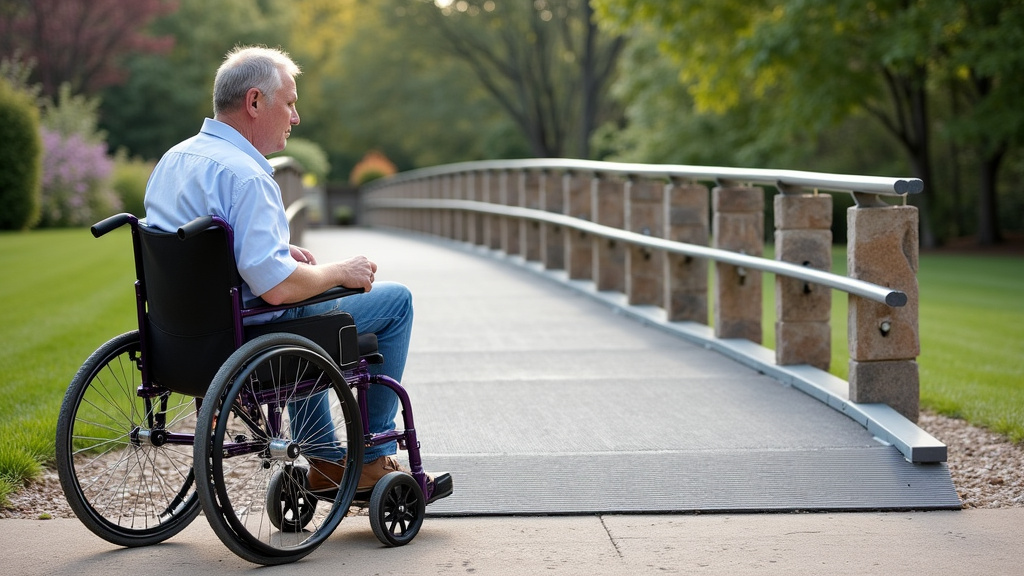
A straight ramp that is very long isn’t always feasible. Building codes require level landings for rest and for turning. For every 30 inches of vertical rise, you must have a level landing that is at least 60 inches by 60 inches. This breaks up the climb and provides a safe place to pause.
If your ramp needs to turn, each turning point requires a similar-sized landing. The slope of the ramp itself does not change, but these flat areas are mandatory. They prevent the user from having to navigate a continuous, tiring incline.
Slope on the Ramp Itself vs. Landings
It’s critical to understand this distinction. The ramp surface follows the 1:12 slope. The landings must be perfectly flat, with a slope no greater than 1:48. This tiny slope on landings is just enough to allow water to drain. A puddle on a landing is a slip hazard for everyone.
Checklist Before You Build or Buy
Before you start your project, run through this list. It covers the absolute essentials you need to get right.
- Measure the rise accurately: Get the exact vertical height from the lowest to the highest point.
- Calculate the minimum length: Multiply your rise (in inches) by 12 to get the ramp length.
- Plan for landings: Ensure you have space for required level rest areas every 30 inches of rise.
- Check local codes: Always confirm with your local building department, as rules can vary.
- Consider the user: A gentler slope (1:16) might be a safer, more comfortable choice for home use.
- Inspect the surface: The ramp must be firm, stable, and have a non-slip surface in all weather.
Conclusion
You now have a clear picture of what a wheelchair ramp slope should be. The standard is a 1:12 ratio, which converts to about 4.76 degrees. This angle keeps users safe and meets key guidelines. You learned how to calculate ramp length and why landings are essential. Your next step is simple: measure your vertical rise, apply the 1:12 rule, and check local codes. Planning with these details ensures a safe, accessible ramp for your needs.
Frequently Asked Questions
Can I use a steeper slope for a temporary ramp?
A steeper slope, like 1:8, might seem quicker, but it’s not recommended for safety. It increases the risk of tipping and strain. For temporary use, stick to 1:12 if possible, or consult a professional.
How do I know if my local codes differ from ADA?
Local building departments often have their own rules. Contact your city or county office to get the specific requirements. We found this step is crucial to avoid fines and ensure compliance.
What if my ramp needs to turn on a steep hill?
Turns require level landings, which break up the slope. Each landing should be at least 60 inches by 60 inches. This design helps users rest and maneuver safely.
How much does it cost to build a wheelchair ramp?
Costs vary based on materials and length. A simple wood ramp might be affordable, while aluminum can be more expensive. Research and found that planning ahead helps manage your budget.
Can a power wheelchair handle a 1:12 slope?
Yes, most power chairs are designed for this standard slope. However, always check the chair’s specifications. A gentler slope, like 1:16, may be easier on the battery and motor.