How Much Ramp Length Is Needed for a 24 Inch Rise? The Basics
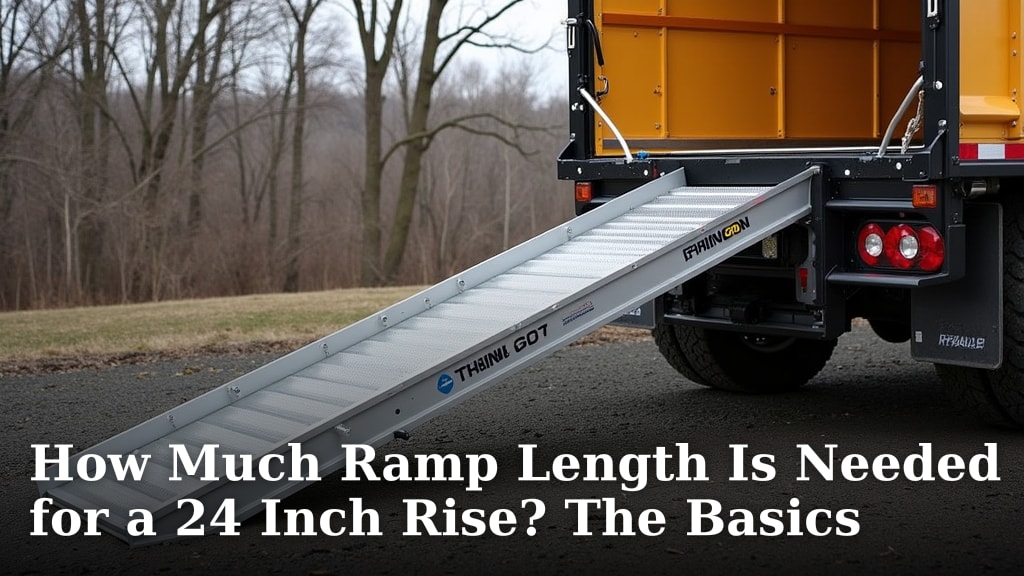
For a 24-inch rise, you’ll generally need a ramp length of 48 inches to 120 inches, depending on the slope. A gentler slope is safer and easier to use, which means you’ll need more ramp length. We found that a common recommendation is a 1:12 slope ratio, meaning 1 inch of rise for every 12 inches of ramp length.
This ratio ensures your ramp is accessible and safe for most users and mobility devices. Choosing the right ramp length helps prevent accidents and frustration. Getting this measurement wrong can lead to a ramp that’s too steep to use comfortably or safely. We found many sources agree on the importance of slope.
- Ramp length depends on the rise and desired slope.
- A 24-inch rise often requires 48 to 120 inches of ramp.
- A 1:12 slope is a common and safe standard.
- Steeper slopes require less length but are harder to use.
- Always consider user safety and ease of use.
Let’s break down exactly how much ramp length you’ll need for your 24-inch rise, keeping it simple and clear.
“`htmlFiguring Out Your Ramp Length for a 24-Inch Rise
So, you’ve got a 24-inch rise to tackle. Maybe it’s a small step into your home, a curb at the end of a driveway, or a slightly raised porch. You know you need a ramp, but the big question is: how long does it need to be? Getting this right is super important for making sure the ramp is safe and easy to use for anyone who needs it, whether they’re using a wheelchair, walker, or just need a little extra support.
We’re going to break down how to calculate the ramp length you’ll need for that 24-inch rise. We’ll focus on the most common and recommended guidelines. Think of this as your go-to guide for making sure your ramp is functional and, most importantly, prevents unnecessary strain.
Understanding Ramp Slope: The Key to Length
The absolute biggest factor determining how long your ramp needs to be is its slope. You can’t really talk about ramp length without talking about slope. It’s like trying to figure out how long a road needs to be to get to the top of a hill without knowing how steep the hill is. A steeper hill means a shorter road, but it’s much harder to climb.
For accessibility ramps, safety and ease of use are the top priorities. This means we want a slope that isn’t too steep. You’ll find that most recommendations revolve around a specific ratio. This ratio ensures a comfortable experience for users.
The Standard Slope Ratio: 1:12
When we talk about ramp slopes, you’ll often hear the term “1:12 ratio.” What does that mean? It’s pretty simple, really. It means for every one inch of vertical rise, you need at least twelve inches of horizontal ramp length. So, if your rise is 24 inches, you’d multiply that by 12.
This 1:12 ratio is widely considered the gold standard for accessible ramps. It’s recommended by organizations like the Americans with Disabilities Act (ADA) for public spaces, and it’s a great guideline for home use too. It strikes a good balance between keeping the ramp length manageable and ensuring it’s not too strenuous to ascend.
Why the 1:12 Ratio is So Important
Why is this specific ratio so popular? Well, it’s been tested and proven. A 1:12 slope is generally considered safe and manageable for most people using mobility devices. Think about pushing a wheelchair up a hill. If the hill is too steep (meaning a shorter ramp for the same rise), it can be incredibly difficult, even impossible, for some individuals or their caregivers.
Using this ratio helps prevent strain and fatigue. It also reduces the risk of loss of control. We found that many accessibility experts agree that deviating too much from this ratio can create accessibility barriers rather than remove them. It’s about making sure everyone can get where they need to go without a struggle.
Calculating Your Ramp Length for a 24-Inch Rise
Now, let’s get down to the numbers for your specific situation. You have a 24-inch rise. Using the 1:12 slope ratio, the calculation is straightforward. We multiply your rise by the factor in the ratio.
Calculation: 24 inches (rise) x 12 (ratio factor) = 288 inches. This is the minimum length you’ll need for a 1:12 slope.
What Does 288 Inches Actually Look Like?
Two hundred and eighty-eight inches might sound like a lot, and it is! That’s 24 feet of ramp. Sometimes, space is limited, and a 24-foot ramp just isn’t practical. So, what are your options if you can’t fit a ramp that long?
This is where you might explore slightly steeper slopes, but you need to be very cautious. It’s a trade-off. Shorter ramps mean steeper slopes, and steeper slopes mean more effort and potential risk. Always remember that the 1:12 ratio is the ideal for accessibility. Before considering anything steeper, it’s wise to consult with an accessibility professional.
Exploring Other Slope Ratios (and Why They’re Tricky)
While 1:12 is the gold standard, you might encounter or consider other ratios, especially if space is tight. It’s important to understand what these mean and the potential drawbacks. Think of it like choosing between a long, gentle path or a short, steep shortcut.
You might see or consider ratios like 1:10 or even 1:8. These are steeper than 1:12. They will result in a shorter ramp for your 24-inch rise, but they come with significant considerations for usability and safety.
The 1:10 Slope: A Steeper Alternative
A 1:10 slope means for every inch of rise, you need 10 inches of ramp length. For a 24-inch rise, this would require a ramp that is 24 inches x 10 = 240 inches long. That’s 20 feet.
This is still quite a long ramp, but it’s 4 feet shorter than the 1:12 slope. We found that while this ratio is sometimes used, it’s considered more challenging for manual wheelchair users and can be difficult for those with less upper body strength. It’s a step up in steepness that can make a noticeable difference in the effort required.
The 1:8 Slope: The Steepest Common Option
A 1:8 slope is the steepest ratio generally considered for ramps. For your 24-inch rise, this would mean a ramp length of 24 inches x 8 = 192 inches. That’s 16 feet.
This gives you the shortest ramp length for your 24-inch rise. However, this ratio is often described as being very strenuous to navigate, especially for manual wheelchair users. The US Department of Justice, for instance, allows a 1:8 slope only for very short rises (under 6 inches) in certain contexts. For a 24-inch rise, a 1:8 slope is generally not recommended for regular use due to the significant physical exertion required. It might be acceptable for very specific, infrequent situations or for individuals with exceptional strength, but it’s far from ideal for general accessibility.
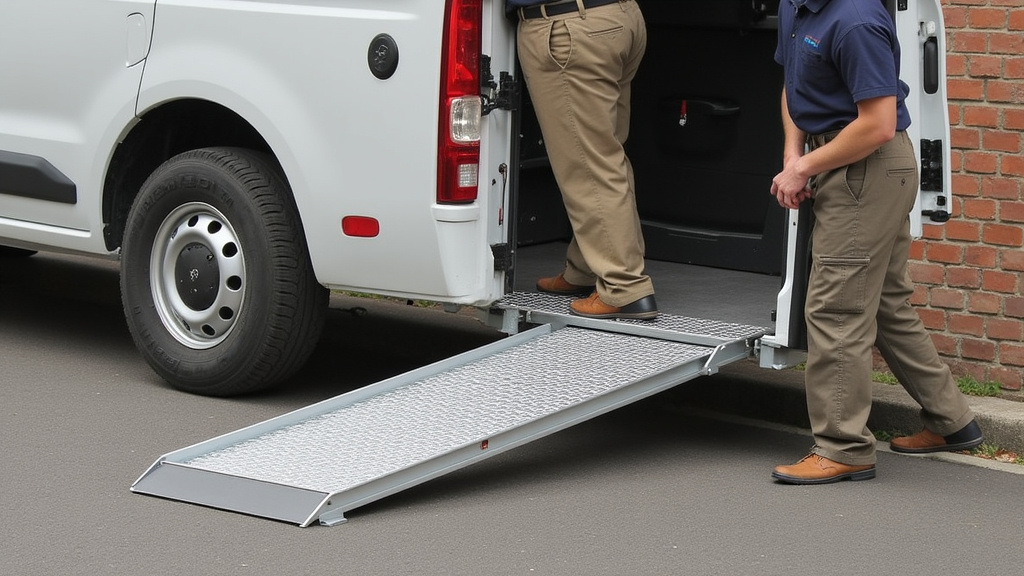
A Quick Look at Ramp Lengths for a 24-Inch Rise
To make it easy to see the difference, here’s a simple comparison. This table shows how the ramp length changes with different common slope ratios for your 24-inch rise. Remember, longer is generally better for ease of use and safety.
| Slope Ratio | Ramp Length Needed (for 24-inch Rise) | Ease of Use |
|---|---|---|
| 1:12 (Recommended Standard) | 288 inches (24 feet) | Easiest – most accessible |
| 1:10 | 240 inches (20 feet) | Moderate – more effort required |
| 1:8 (Steepest Generally Considered) | 192 inches (16 feet) | Difficult – significant effort needed |
Important Considerations Beyond the Numbers
While calculating the length based on slope is essential, there are other factors to keep in mind. Think about the users who will be using the ramp. Are they mostly independent, or will someone be assisting them? What kind of mobility devices will be used? These details matter.
Also, consider the landing space at the top and bottom of the ramp. You need enough room to maneuver safely onto and off the ramp. A ramp that’s too short but too steep, even with adequate landing space, can still be a challenge. Safety first is always the guiding principle.
Think About Who Will Use the Ramp
A ramp designed for someone who uses a power wheelchair might have different requirements than one for someone who ambulates with a walker. Power wheelchairs are heavier and can sometimes manage slightly steeper inclines better than manual wheelchairs, but ease of use is still paramount.
For manual wheelchair users, every extra bit of slope makes a big difference. We found many anecdotes from users highlighting how even a slightly steeper ramp leads to significant fatigue. If multiple people with different needs will use the ramp, aiming for the gentlest slope (1:12) is your safest bet. It accommodates the widest range of users and abilities.
Platform Space and Turning Radii
Don’t forget about the space needed at the top and bottom of the ramp, and any intermediate landings if your ramp is very long. These platforms provide a place to rest and are essential for safely turning the ramp if needed. For instance, a 180-degree turn on a ramp often requires a platform that’s at least 5 feet by 5 feet. The ADA suggests specific requirements for platform sizes to ensure safe maneuvering.
Even for a simple ramp, having a clear, level area of a few feet at both ends makes a huge difference. It allows someone to approach the ramp without feeling rushed and to dismount safely on the other side. This is often overlooked but is a critical component of ramp safety.
Putting It All Together: Your Checklist for Ramp Length
So, you’ve got your 24-inch rise and you’re ready to figure out the ramp. Here’s a quick rundown of things to consider:
- Measure your rise accurately. Make sure it’s exactly 24 inches from the lower level to the higher level.
- Prioritize the 1:12 slope. This means a 288-inch (24-foot) ramp.
- Assess your space. Can you fit the 1:12 ramp? If not, explore other options cautiously.
- Consider the users. Who will be using the ramp, and what are their capabilities?
- Factor in turning space. Ensure you have adequate platform space at the top and bottom.
- Consult if unsure. When in doubt, talk to an accessibility specialist or contractor.
Conclusion
You’ve learned that for a 24-inch rise, the ideal ramp length is 288 inches (24 feet) when using the recommended 1:12 slope. This ratio ensures the easiest and safest access for everyone. While shorter slopes like 1:10 or 1:8 are options for tight spaces, they require much more effort and may not be suitable for all users. Always remember to measure your rise accurately and consider the specific needs of the ramp’s users. Your next step should be to measure your available space and compare it to the recommended lengths, prioritizing safety and usability.
Frequently Asked Questions
What’s the shortest ramp I can use for a 24-inch rise?
The shortest common ramp ratio is 1:8, which would require a 192-inch (16-foot) ramp for a 24-inch rise. However, we found this slope is very steep and can be difficult for many users, especially those in manual wheelchairs. It’s generally not recommended for regular accessibility needs.
Do I really need a 24-foot ramp?
For a 24-inch rise, a 24-foot ramp (288 inches) is needed to achieve the ideal 1:12 slope. This length is based on research and accessibility standards for maximum safety and ease of use. If you don’t have the space, you’ll need to consider a slightly steeper slope, but always with caution.
Can I use a ramp with a 1:10 slope for a 24-inch rise?
Yes, a 1:10 slope is an option that results in a 240-inch (20-foot) ramp for a 24-inch rise. While shorter than the 1:12, we found it still requires more physical effort than the standard. It’s a compromise if space is limited, but not as user-friendly.
What is the best slope for wheelchair users?
The best slope for most wheelchair users is the 1:12 ratio, meaning 1 inch of rise for every 12 inches of ramp length. This provides the most comfortable and safest experience, minimizing strain. For a 24-inch rise, this translates to a 288-inch ramp.
How do I measure the rise for my ramp?
The rise is the vertical distance from the lower level to the higher level you need to overcome. You can measure this by placing a level against the higher surface and measuring down to the lower surface, or by using a tape measure straight up from the lower surface to the edge of the higher surface. Ensure your measurement is accurate before calculating your ramp length.