Transport Chair vs Wheelchair: Which Type Do You Need? (November 2026)
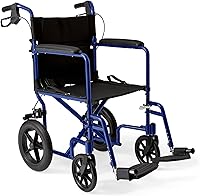
Choose a transport chair when a caregiver will push you; choose a standard manual wheelchair when you need to propel yourself. A transport chair is a type of wheelchair, but its small wheels are designed for an attendant to push.
On this page (8 sections)
- Transport chair vs wheelchair: what is the main difference?
- Who should choose a transport chair?
- Who should choose a standard manual wheelchair?
- Which chair is easier for a caregiver to manage?
- What should you compare before buying?
- Which transport chair features can make a difference?
- Can you use a transport chair every day?
- Which should you choose: a transport chair or a wheelchair?
Choose a transport chair when a caregiver will push you; choose a standard manual wheelchair when you need to propel yourself. A transport chair is a wheelchair type, but its small wheels are made for attendant use.
The main difference is how the chair moves. A standard manual wheelchair usually has large rear wheels with hand rims, so a seated user can push the rims to move; transport chairs use an attendant to push.
That distinction affects everyday independence, caregiver effort, route choice and storage. For a wider overview of types of wheelchairs, see how different designs match different mobility needs.
 Best for compact everyday trips
Drive Medical Folding Transport Wheelchair
 Best for caregiver control
Drive Medical Lightweight Expedition Folding Transport Wheelchair
Transport chair vs wheelchair: what is the main difference?
A transport chair is pushed by a caregiver, while a standard manual wheelchair can be propelled by its user. The wheel and hand-rim design is the clearest clue.
Transport chairs typically have small wheels at both the front and back. The seated person doesn't have the large rear hand rims used to propel a standard manual wheelchair.
A standard manual wheelchair has large rear wheels with hand rims. Someone with the right strength, reach and coordination may move the chair independently by pushing those rims.
The word “wheelchair” includes many designs, including transport chairs. So the question isn't whether a transport chair is a wheelchair; it's whether attendant propulsion or user propulsion fits the person and situation.
Is a transport chair a wheelchair?
Yes, a transport chair is a kind of wheelchair. Its design prioritizes being pushed by another person rather than self-propelling.
You may also see the terms “transport wheelchair” and “transport chair.” In everyday shopping, they often refer to the same attendant-pushed style.
A standard manual wheelchair is another type. It can give the seated user more control over movement, if the user can propel and steer it safely.
Who should choose a transport chair?
Choose a transport chair if someone else will push you for most trips. It can suit appointments, errands and other outings when independent movement in the chair isn't the goal.
A caregiver or companion holds the push handles and controls the chair's direction. This can be useful for someone who can sit in the chair but doesn't have the strength, coordination or stamina to push large hand rims.
Think through the actual route. Smooth indoor floors and level paths place different demands on the chair than rough pavement, steep slopes or repeated curbs.
Caregiver availability matters just as much. If you spend time alone or want to move around a room without help, an attendant-pushed chair may limit your options.
How do transport chair wheels affect the trip?
Small wheels work best on smoother, more even routes. They can be harder to manage over cracks, uneven ground and obstacles than larger rear wheels.
Some transport chairs have larger rear wheels than others, which can help the caregiver handle certain route features. Features such as curb assist may help with lifting the front wheels over a small obstacle, but don't make stairs or steep curbs safe.
Before a trip, check the path for uneven ground, thresholds, ramps and places where the caregiver may need help. A chair's wheel size alone doesn't tell you whether a route is manageable.
What makes a transport chair useful for outings?
A folding frame can make a transport chair easier to store between trips. Check the folded size and chair weight against your vehicle and who will lift it.
For example, the best lightweight transport wheelchair options include designs intended for easier storage and travel. A lighter chair may reduce lifting effort, but you still need to handle it safely.
Footrests and brakes also affect transfers and stops. Look for swing-away or detachable footrests if they help the user get in and out, and make sure the companion can operate the brakes as intended.
Who should choose a standard manual wheelchair?
Choose a standard manual wheelchair when you need the option to move yourself using hand rims. The user still needs to be able to reach, grip and push them with enough control for the intended routes.
Independent propulsion can reduce reliance on a caregiver for short movements at home or in other suitable spaces. It doesn't guarantee that every user can self-propel comfortably, or that every surface will be easy to manage.
Fit matters. Seat width, seat depth, armrest position, foot support and overall setup can affect how well you can reach the hand rims and maintain a stable sitting position.
A mobility professional can help assess fit and propulsion needs. If the chair will be used for long periods, consider seating support and posture as well as how it moves.
Can a wheelchair user propel a standard chair alone?
Some users can propel a standard manual wheelchair alone, while others need assistance. Strength, reach, coordination, endurance, chair fit and route conditions all play a part.
Try the chair in the places where it will be used, if possible. Turning in a room, crossing a threshold and moving over an outdoor path can feel very different.
If independent movement is a priority but pushing hand rims is difficult, discuss other mobility options with a clinician or mobility specialist. The right choice depends on the person's needs, not just the chair category.
Which chair is easier for a caregiver to manage?
A transport chair makes the caregiver responsible for propulsion and steering. Its suitability depends on the caregiver's strength, the route and how often the chair must be lifted or folded.
A companion may find the push handles and attendant brakes useful during outings. Larger rear wheels can also change how a chair handles over minor bumps, though technique and terrain still matter.
A standard wheelchair can reduce pushing when the user propels it independently. If the caregiver will still push it often, compare its weight, handles and brakes for that role too.
Plan for more than the seated trip. Loading a chair into a car, lifting it over a threshold and storing it can add effort before and after each outing.
What should you compare before buying?
Compare propulsion, fit, route, transfers and lifting needs before choosing by weight or fold alone. The chair must work for both the person sitting in it and the person helping.
Start with the user's needs:
- Propulsion: Will the user push the chair, or will a companion?
- Fit: Does the seat width and depth suit the user?
- Transfers: Do the footrests move out of the way?
- Route: Are the usual floors and paths smooth, level and wide enough?
- Caregiver effort: Can the companion push, brake, fold and lift the chair?
- Storage: Does the folded chair fit the car and available storage space?
Measure the narrowest doorway and the vehicle opening before buying. Check the manufacturer's instructions for setup, use, transfer and maintenance.
For transport chairs, you can compare Drive lightweight transport chairs, Medline lightweight transport chairs and transport wheelchairs for seniors. Choose based on the user, caregiver and route rather than brand alone.
Which transport chair features can make a difference?
Choose features around transfers, caregiver control and storage. Extra features only help when they match the user's routine.
Swing-away or detachable footrests can create more room for a transfer. Padded armrests may add a contact surface, while a fold-flat backrest can reduce storage space.
Compare transport wheelchairs with removable arms if side access matters.
Brakes need to suit the person operating them. Some models have companion-operated hand brakes; others have manual wheel locks for keeping the chair still during transfers.
Seat width also deserves attention. A wider seat isn't automatically a better fit, so compare the chair's measurements with the user's needs and any guidance from a mobility professional.
Can you use a transport chair every day?
You can use one for daily trips if a caregiver is available and the chair suits the route and sitting needs. It may not fit a routine that depends on moving independently.
Think about how long each trip lasts and how often the chair will be loaded, folded and lifted. A design that works for occasional appointments may feel less convenient when used several times each day.
For a user who spends long periods seated, fit and positioning need careful attention. Ask a clinician or seating specialist for advice if comfort, posture or transfer safety is a concern.
Which should you choose: a transport chair or a wheelchair?
Pick a transport chair if a companion will push you; pick a standard manual wheelchair if you need to propel yourself and can use its hand rims. Then confirm fit, route and lifting needs.
If both independent movement and caregiver pushing matter, discuss a suitable chair setup with a mobility professional. For a transport chair, prioritize caregiver control, transfer access and manageable storage; for a standard chair, prioritize fit and the user's ability to propel it.
Frequently asked questions
Is a transport chair a wheelchair?
Yes. A transport chair is a type of wheelchair designed to be pushed by a companion.
Its small wheels and lack of large hand rims make it different from a standard manual wheelchair, which a user can often propel with the hand rims.
Can you use a transport chair by yourself?
A transport chair is generally not suited to independent self-propulsion because its small wheels don't provide the large hand rims used to push a standard manual wheelchair. If you need to move without a caregiver, ask a mobility professional which chair fits your strength, balance and daily routes.
Which chair is easier to put in a car?
A folding transport chair may be easier to stow because many models fold into a compact shape. Compare the folded dimensions and weight of the exact chairs, then measure your trunk opening and the space available for lifting and storage.
Are transport chairs good for everyday use?
A transport chair can work for everyday trips when a caregiver is available to push and the route suits its wheels. For frequent independent movement or longer time in a chair, compare a standard manual wheelchair's fit, propulsion needs and seating with a mobility professional.
What should I check before choosing either chair?
Check seat width and depth, chair weight, folded size, footrest design, brakes, route surfaces and who will propel it. Have the user sit in the chair when possible and confirm that transfers, posture and access feel manageable before choosing.