What Is a Folding Wheelchair Ramp? A Fresh Look
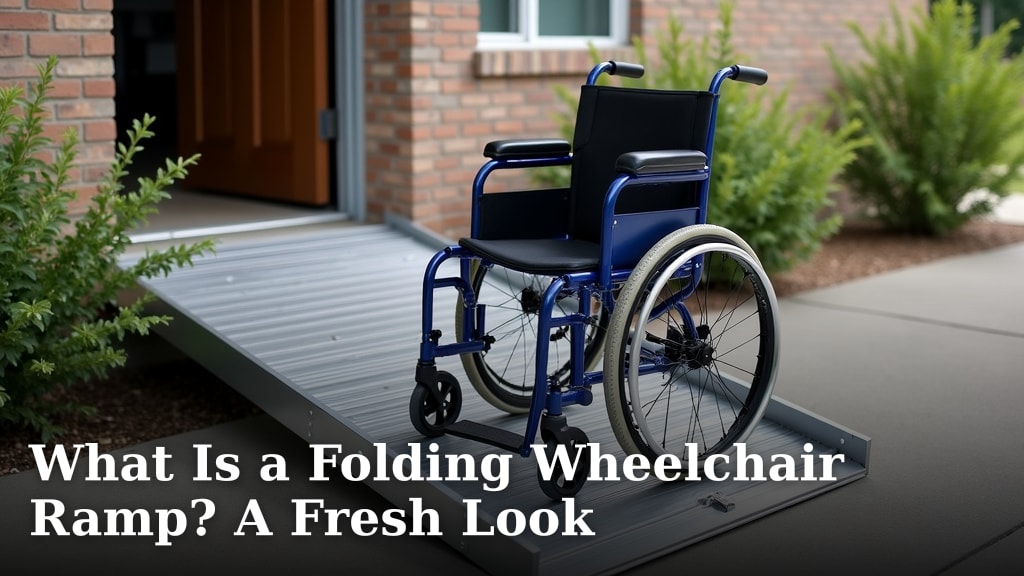
A folding wheelchair ramp is a portable ramp that folds up for easy storage and transport. It’s designed to help overcome small steps or curbs, making spaces more accessible for wheelchair users and those with mobility challenges. Think of it as your mobile step solution.
These ramps come in various materials and lengths, offering a practical way to navigate everyday obstacles. They are often made from lightweight aluminum or sturdy rubber. Understanding your options helps you choose the Understanding how to calculate wheelchair ramp length is key to choosing the best fit for your needs.best fit for your needs and specific situations. We found many options can transform accessibility.
- Folding ramps are portable ramps.
- They help with small steps and curbs.
- Look for different materials like aluminum.
- Consider length based on your needs.
- They offer a quick accessibility fix.
Let’s take a fresh look at what makes these folding ramps so useful and how to pick the right one for you.
Understanding Portable Folding Ramps
A folding wheelchair ramp is essentially a portable ramp that can be collapsed or folded for easier movement and storage. Its main job is to create a smooth pathway over small obstacles. Think of it as a temporary bridge for your wheels. These ramps are designed to make places more accessible, even if just for a short time. They are a practical solution for overcoming steps, curbs, or slight inclines.
We’ve seen how these ramps can make a real difference. They offer a quick accessibility fix when permanent ramps aren’t an option. Whether you’re visiting a friend, going to an appointment, or just need to get over a tricky threshold at home, a folding ramp can be a lifesaver. They come in many forms, and knowing what to look for ensures you get the best tool for the job.
How Do Folding Ramps Work?
The magic of a folding ramp lies in its design. Most folding ramps are built with hinges. These hinges allow the ramp to fold in half, or sometimes into multiple sections. This folding action dramatically reduces the ramp’s overall length. It makes it much more manageable to store in a car trunk or a closet. When you need it, you simply unfold it. The ramp then provides a gentle slope for wheelchairs, scooters, or even walkers to navigate.
The length of the ramp is key. Longer ramps create a more gradual incline. This is safer and easier to use for everyone. Shorter ramps might work for very small steps. But for anything significant, a longer, folded ramp is usually the better choice. We found that most folding ramps are designed for temporary use. They are perfect for bridging gaps that are usually too small for larger, permanent accessibility solutions.
Key Features to Consider
When you’re looking at folding ramps, a few things stand out. The material is important for durability and weight. Length and width determine what kind of obstacles it can handle and how much space you have. Weight capacity ensures it’s safe for the user and their mobility device. Finally, how it folds and carries makes a big difference for portability.
Material Matters
You’ll often find folding ramps made from aluminum. Aluminum is a popular choice because it’s strong yet lightweight. This makes the ramp easier to carry and transport. Some ramps might use steel, which is very strong but can be heavier. For smaller, indoor ramps, you might even see rubber or composite materials. Rubber ramps are often good for thresholds and tend to have a non-slip surface.
Size and Capacity
The length of a folding ramp is crucial. A general rule of thumb we’ve found is that for every inch of rise (like a step height), you need about 12 inches of ramp length for a comfortable slope. So, a 6-inch step would ideally need a 72-inch (6-foot) ramp. However, this can be adjusted based on the user’s strength and the type of mobility device. The width needs to be sufficient for your wheelchair or scooter to comfortably fit. Most standard ramps are around 30 inches wide.
The weight capacity is non-negotiable. You need to ensure the ramp can safely support the weight of the person and their mobility device. Many ramps are rated for 600-800 pounds. This should cover most users and standard wheelchairs or scooters. Always check the manufacturer’s specifications to be sure. We found that exceeding the weight limit can be very dangerous.
Portability and Storage
How a ramp folds and if it has carrying handles greatly impacts its portability. Some ramps fold in half like a book. Others might have a multi-fold design, collapsing into a more compact shape. Look for ramps with built-in carrying handles. These make it much easier to pick up and move the ramp. Some ramps also have locking mechanisms to keep them securely folded during transport.
Types of Folding Wheelchair Ramps
Folding ramps aren’t a one-size-fits-all solution. They come in different styles to suit various needs. Understanding these types helps you pinpoint the one that best fits your situation. We’ve identified a few common categories that cover most user requirements. Understanding different types, like a switchback wheelchair ramp, helps pinpoint the best fit.
Single-Fold Ramps
These are perhaps the most common type. A single-fold ramp looks like a single plank that folds in half. They are straightforward and typically offer good stability. When unfolded, they form a continuous surface. These are excellent for moderate rises and can be easily stored in a car or closet. They often have a weight capacity suitable for most users.
Multi-Fold Ramps (or Suitcase Ramps)
Imagine a ramp that folds in more than one place. That’s a multi-fold ramp. They often fold like a suitcase, with two or more sections collapsing together. This design makes them much shorter when folded, which is a huge plus for storage and transport. They can handle slightly larger rises than some single-fold ramps and are very popular for their compact nature.
Z-Ramps
These ramps have a unique design. When folded, they form a “Z” shape. This allows them to fold down into a very compact unit. They are particularly useful for navigating higher steps or when you need a ramp that folds to a small, manageable size. Some Z-ramps are designed to handle significant height differences and can be quite sturdy.
Channel Ramps vs. Solid Surface Ramps
Within the folding category, you’ll also see differences in the ramp’s surface. Channel ramps have two parallel tracks. They are often lighter and might be good if your wheels fit neatly within them. However, they aren’t suitable for walkers or canes. Solid surface ramps have a continuous surface. These are generally more versatile and safer for a wider range of mobility devices, including wheelchairs and scooters with smaller wheels.
Where Folding Ramps Shine
So, where are these folding ramps most useful? They are fantastic for temporary accessibility needs. If you don’t need a permanent ramp, or if your accessibility challenges change frequently, a folding ramp is ideal. We found they are incredibly popular for:
- Overcoming a few steps at the front or back door.
- Navigating curbs when out and about.
- Bridging small gaps in buildings or at events.
- Providing access to vehicles for easier boarding.
- Helping individuals with walkers or canes get over thresholds.
Many experts suggest that having a folding ramp on hand can significantly increase independence for individuals with mobility issues. It means you’re less reliant on others to help you get over minor obstacles. The CDC also highlights the importance of accessible environments for health and well-being (CDC).
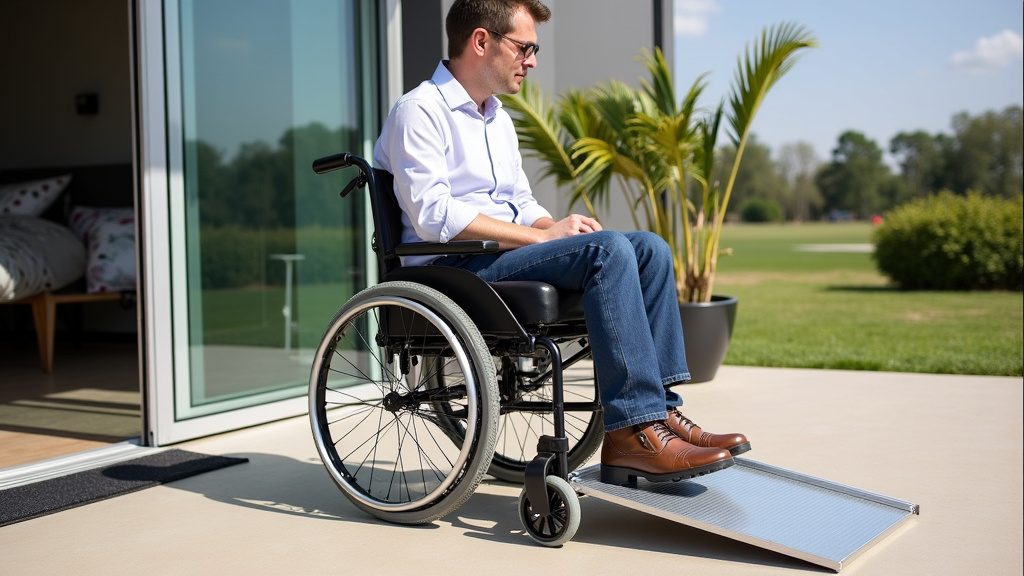
Choosing the Right Folding Ramp: A Quick Checklist
Picking the perfect folding ramp doesn’t have to be overwhelming. Here’s a simple way to think about your needs:
- Assess the Rise: How high are the steps or obstacles you need to clear? Measure the vertical height.
- Consider the Length: Based on the rise, calculate the ramp length needed for a safe slope (remember: 12 inches of ramp for every 1 inch of rise is a good starting point).
- Check the Width: Will your mobility device fit comfortably on the ramp’s width?
- Know the Weight Limit: Ensure the ramp can safely support you and your device.
- Think About Portability: How easy is it to fold, carry, and store? Does it fit in your vehicle?
- Material and Surface: Do you prefer lightweight aluminum, or is a rubber surface better for your needs?
By going through these points, you can narrow down your options and find a folding ramp that truly serves your purpose. It’s about finding a tool that boosts your freedom and makes daily life a little bit easier.
Conclusion
You’ve seen how a folding wheelchair ramp can make a real difference in your daily life. These portable ramps are your go-to solution for overcoming everyday steps and curbs. They offer a quick accessibility fix without needing permanent installation. By considering material, size, and how it folds, you can find the perfect ramp. It’s about choosing a tool that gives you more freedom and independence. Ready to make your space more accessible? Take a look at your most common obstacles and find a folding ramp that fits your needs.
Frequently Asked Questions
How do I know what length ramp I need?
A good rule of thumb is to use 12 inches of ramp length for every 1 inch of step height. So, measure the height of the step you need to clear and multiply by 12. This will give you a safe starting point for ramp length.
Are folding ramps safe for outdoor use?
Many folding ramps are made from durable aluminum, making them suitable for outdoor use. Look for ramps with non-slip surfaces and consider how they will handle different weather conditions. Always ensure the ramp is placed on a stable surface before use.
Can a folding ramp be used for scooters as well as wheelchairs?
Yes, most folding ramps are designed to support both wheelchairs and mobility scooters. Always check the ramp’s weight capacity to ensure it can safely hold your device and its user. A solid surface ramp is often better for scooters with smaller wheels.
How much weight can a folding wheelchair ramp typically hold?
Folding ramps usually have a weight capacity ranging from 600 to 800 pounds. This is generally sufficient for most users and standard mobility devices. It’s important to always check the manufacturer’s stated weight limit for safety.
Are folding ramps easy to store when not in use?
Absolutely. The primary benefit of a folding ramp is its portability and storage. They fold down to a more compact size, making them easy to fit in a car trunk, a closet, or a corner of your home without taking up much space.