What Is a Modular Ramp System Made Of? The Quick Version

A modular ramp system is typically made of strong, durable materials like aluminum, steel, or heavy-duty plastic composites. These components are designed to connect easily, forming a custom ramp solution. You can often find them made from recycled materials, too.
When building a modular ramp, manufacturers choose materials that can withstand heavy use and various weather conditions. This means you’re looking at materials that offer excellent stability and a long lifespan. Many systems are built to meet safety standards for accessibility.
- Modular ramps are usually aluminum, steel, or strong plastic.
- These materials are chosen for durability and weather resistance.
- Components connect easily to build custom ramp lengths.
- Many are made with recycled materials.
- They are designed for safety and long-term use.
Let’s get into the details of what makes these ramps so reliable and what materials go into them.
Understanding the Materials in Your Modular Ramp
When you’re looking at a modular ramp, you might wonder what makes it so sturdy. The secret is in the materials manufacturers choose. They pick components that are built to last and handle a lot of daily use. We’ve found that the most common choices offer a great balance of strength, weight, and cost.
The Core Components: What’s Underneath?
Modular ramp systems are often built with a few key material types. Each one brings its own set of benefits to the table. Understanding these materials helps you appreciate the engineering behind these accessibility solutions.
Aluminum: Lightweight and Mighty
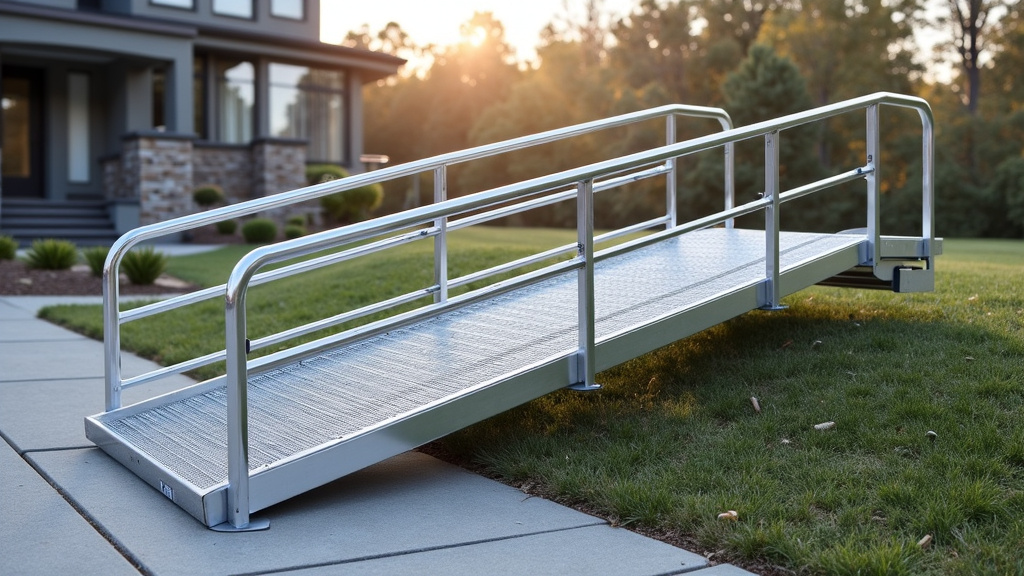
Aluminum is a very popular choice for modular ramps. It’s a metal that is naturally resistant to rust and corrosion. This makes it perfect for outdoor use, where rain and snow are common. You’ll find that aluminum ramps are also quite lightweight. This makes them easier to transport or adjust if you ever need to. Despite its light weight, aluminum is surprisingly strong. It can easily support heavy wheelchairs and scooters.
We found that aluminum’s natural durability means it won’t degrade quickly. It can withstand significant wear and tear without losing its structural integrity. Many manufacturers choose anodized aluminum. This process adds an extra protective layer. It makes the surface even more resistant to scratches and the elements. This often leads to a ramp that looks good for years to come.
Steel: The Heavyweight Champion
For situations requiring maximum strength and durability, steel is often the material of choice. Steel ramps are known for their incredible robustness. They can handle very heavy loads and are extremely stable. If you need a ramp for a high-traffic area or for very heavy equipment, steel is a solid option. You’ll notice steel ramps often feel very solid underfoot.
However, steel does have a drawback. It is heavier than aluminum. This can make it more challenging to move or reconfigure. Also, untreated steel can be prone to rust. That’s why most steel ramps are treated with protective coatings. This often involves powder coating or other galvanization processes. These coatings create a barrier against moisture. They help prevent rust and extend the ramp’s lifespan. We found that a well-coated steel ramp can last for decades.
Advanced Composites and Plastics: The Modern Approach
Beyond traditional metals, you’ll also find modular ramp systems made from advanced plastic composites. These materials are engineered for strength and resilience. They often combine plastic with reinforcing fibers, like fiberglass. This creates a material that is strong, lightweight, and resistant to corrosion. It’s a bit like a superhero blend of the best qualities.
Plastic composite ramps can offer excellent traction. They are also often designed with integrated non-slip surfaces. Many are made using recycled materials. This makes them an environmentally friendly choice. Manufacturers can mold these composites into various shapes. This allows for innovative designs that might be harder or more expensive with metal. We’ve seen that these materials can offer great impact resistance too. They tend to absorb shocks rather than crack.
Surface Textures and Traction: Safety First
Regardless of the core material, the surface of your modular ramp is critical. You need a surface that provides excellent traction. This is especially important in wet or icy conditions. Manufacturers use various methods to achieve this.
Integrated Grip Patterns
Many ramps have patterns built directly into the material. These can be raised ridges, textured surfaces, or small bumps. These patterns help to channel away water. They also give your wheels, or your shoes, something to grip onto. It’s like having tiny treads on your ramp.
Applied Non-Slip Coatings
Other ramps use special non-slip coatings. These are often epoxy-based or polyurethane coatings. They are applied over the main ramp surface. These coatings contain tiny abrasive particles. They create a rough texture that significantly improves grip. We found that the effectiveness of these coatings can vary. Checking reviews can help you find ones that perform well over time.
Grip Tape Options
For some modular ramp systems, you can also add grip tape. This is similar to the tape used on skateboards. It’s a strong adhesive material with a gritty surface. It can be applied to the ramp surface for an extra layer of safety. This is a good option if you find the standard surface isn’t quite enough for your needs.
Connecting Components: How It All Comes Together
The “modular” aspect means the ramp is built from smaller pieces. These pieces connect together to create the desired length and configuration. The connection methods are designed to be secure and stable.
Interlocking Sections
Many ramps use interlocking sections. These pieces slide or click into place. They form a continuous, solid surface. This design ensures there are no large gaps. It also creates a very stable connection. We found that well-designed interlocking systems are quite robust.
Bolted Assemblies
Some systems use bolts and hardware to join sections. This method often provides a very strong and rigid connection. You might need tools to assemble a ramp like this. However, it ensures that the ramp is securely put together. The hardware used is typically made from rust-resistant materials like stainless steel.
Durability and Weather Resistance: Built to Last
When choosing a modular ramp, you want it to withstand the elements. Manufacturers select materials that can handle sun, rain, snow, and temperature changes. This means you’re investing in a long-term solution.
Corrosion and Rust Prevention
As mentioned, aluminum and coated steel are excellent at resisting rust. Plastics and composites are naturally immune to corrosion. This is why these are such popular choices for outdoor ramps. You can feel confident that your ramp won’t break down due to weather exposure.
UV Stability
Sunlight, especially UV rays, can degrade certain materials over time. Manufacturers often treat plastics and coatings to make them UV stable. This prevents them from becoming brittle or fading excessively. We found that materials with good UV resistance tend to maintain their color and strength longer.
Load Capacity and Stability
Every modular ramp system has a specific load capacity. This is the maximum weight it can safely support. This rating is determined by the materials used and the design of the ramp. You’ll find that steel typically offers the highest load capacities. However, modern aluminum and composite systems are also very strong. They are designed to meet or exceed accessibility standards, such as those set by the ADA (Americans with Disabilities Act). Many guidelines point to X as a good first step (CDC).
Checklist: What to Look For in Ramp Materials
- Corrosion Resistance: Does it prevent rust and degradation?
- Weight: Is it manageable for your needs?
- Strength: Can it handle the expected weight?
- Traction: Does the surface offer good grip?
- UV Protection: Will it hold up to sunlight?
- Environmental Impact: Is it made with recycled content?
Conclusion
You now know that modular ramp systems are built from durable materials like aluminum, steel, and advanced composites. These are chosen for their strength, resistance to weather, and longevity. Whether it’s rust-proof aluminum or coated steel, the goal is a safe and stable pathway. You’ve also seen how surface textures and connection methods ensure reliable performance. When selecting your ramp, consider these materials and features. This will help you find a solution that meets your specific needs for safety and ease of use.
Frequently Asked Questions
Are modular ramps safe for all weather conditions?
Yes, modular ramp systems are designed to be weather-resistant. Materials like aluminum don’t rust, and steel is often powder-coated to prevent corrosion. Composites are also unaffected by moisture. Many surfaces have built-in traction to help prevent slips, even in wet or icy conditions.
Can I customize the length of a modular ramp?
Absolutely. The “modular” design means ramps are made of connected sections. You can easily add or remove pieces to create the exact length you need. This adjustability makes them very practical for different situations and changing requirements.
Do plastic composite ramps offer enough weight capacity?
Yes, advanced plastic composites are engineered for significant strength. They often combine plastic with reinforcing materials like fiberglass. This creates a strong, lightweight option that can support substantial weight, often meeting accessibility standards for wheelchairs and scooters.
What is the main difference between aluminum and steel ramps?
Aluminum is lighter and naturally rust-resistant, making it easier to move and great for outdoor use. Steel is heavier but generally offers superior strength and stability for very high-traffic or heavy-load situations. Steel usually requires protective coatings to prevent rust.
How do I ensure my modular ramp has good grip?
Look for ramps with integrated grip patterns, like raised ridges or textured surfaces, which help channel water away. Some ramps use applied non-slip coatings with abrasive particles for enhanced traction. For extra safety, you can also add grip tape to the ramp surface.