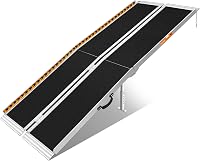
How to Choose a Plastic Wheelchair Ramp
Choose a plastic wheelchair ramp by matching the rise, width, depth and load capacity to your doorway and mobility device. Measure the height change and the available approach space, then check how the ramp is meant to sit and stay in place.
On this page (8 sections)
- What should you measure before choosing a plastic wheelchair ramp?
- How do rise, depth, and width affect the choice?
- How much load capacity do you need?
- Which short threshold ramp examples are worth comparing?
- What material and surface details should you check?
- When should you consider a removable ramp?
- What should you check before using a ramp?
- How do you choose the right wheelchair ramp plastic option?
Choose a plastic wheelchair ramp by matching the rise, usable width, depth and load capacity to your doorway and mobility device. Measure the height change and available approach space, then check how the ramp is meant to sit and stay in place.
Plastic ramps for wheelchairs are one option for a short threshold or level change. Materials and shapes vary, so check the exact ramp rather than assuming every plastic ramp has the same grip, strength, or placement needs.
What should you measure before choosing a plastic wheelchair ramp?
Measure the vertical rise and the available ramp space before comparing materials or features. These measurements help you rule out ramps that are too tall, too narrow, or too deep for the doorway.
Measure from the lower floor to the top surface the ramp needs to meet. Use the height at the point where the wheels will travel, and note any unevenness across the threshold.
Next, measure the clear doorway width and the floor depth available on both sides. Include nearby walls, door swings, mats, furniture, and other obstacles that could interfere with the ramp or the approach.
| Measurement | What to check |
|---|---|
| Rise | Vertical height from the lower surface to the raised surface |
| Clear width | Space available for the ramp and the user's mobility device |
| Depth | Room for the ramp and for the approach to it |
| Load | User, wheelchair or scooter, and carried items together |
| Surface | Whether the ramp's tread and the surrounding floors are dry and clear |
Compare the ramp's stated dimensions with your measurements. A ramp's outside width may not be the same as the clear path available to the wheels.
For a broader overview of ramp styles and where each can fit, read What Are the Types of Wheelchair Ramps? What’s Involved.
How do rise, depth, and width affect the choice?
The rise determines whether a ramp can meet the threshold, while depth and width help determine how it fits the space and device. Compare all three dimensions together before choosing a model.
A ramp designed for a 2.4 in rise is not a match for a 3 in threshold just because it is wide enough. Likewise, a ramp that meets the rise may be too deep for a narrow hallway or too narrow for your device.
The examples below show why dimensions matter. They are threshold products, and the examples made from rubber or foam are not plastic ramps.
| Example | Stated rise | Stated dimensions | Material |
|---|---|---|---|
| Silver Spring | 5 in | 30 in long x 36 in wide x 5 in high | Solid expanded foam |
| Electriduct | 2.4 in | 40 in long x 24 in wide x 2.4 in high | Rubber |
| VEVOR | 3 in | 35.5 in long x 17.7 in wide x 3 in high | Rubber |
Product dimensions can be presented in different orders. Check which measurement is the width and which is the depth, then compare them with the space you measured.
How do you compare plastic wheelchair ramp dimensions?
Compare the stated height with the rise you measured, then confirm width and depth fit the doorway and approach. The keyword “wheelchair ramp plastic” describes a material search, but the examples here are foam and rubber threshold ramps.
A short ramp can suit a small level change, but the ramp’s rise and shape still need to work with the mobility device. A larger rise may call for a different ramp arrangement and more approach space.
For more on a different material, see How to Choose a Wooden Wheelchair Ramp. If you are deciding between portable options, [How Long Can a Portable Wheelchair Ramp Be?
The Overview](/how-long-can-a-portable-wheelchair-ramp-be/) covers that separate question.
How much load capacity do you need?
Choose a ramp whose stated load capacity covers the user, mobility device, and anything carried. Check the capacity for the exact ramp model and follow its instructions for placement and use.
Capacity numbers are not a substitute for matching the ramp to the device. A high capacity does not confirm that the ramp is wide enough, has a suitable approach, or fits the rise.
Of these examples, the Silver Spring ramp has a stated 800 lb capacity, and VEVOR gives a 2,200 lb capacity in its feature details. The Electriduct example does not include a capacity figure in the available specifications, so ask the manufacturer if capacity is central to your choice.
The VEVOR materials also show conflicting capacity figures: one feature states 2,200 lb, while another specification states 33,069 lb. Confirm the capacity with VEVOR before relying on it.
Which short threshold ramp examples are worth comparing?
Choose among these examples by rise, dimensions, material, and capacity details. They can help you compare short threshold solutions, but the foam and rubber examples are not plastic.
Silver Spring describes this ramp as solid high-density foam with a waterproof coating and a rubberized, slip-resistant surface. Its stated dimensions are 30 in long, 36 in wide, and 5 in high.
The brand says it is designed for wheelchairs, scooters, and walkers at doorways, steps, and curbs. Measure the full space and confirm the dimensions fit your threshold and approach.
Electriduct gives dimensions of 40 in long, 24 in wide, and 2.4 in high. Its rubber surface has linear grooves, and its underside is designed to flex and contour to surfaces without bolts or adhesive.
The available specifications do not provide a load capacity. Confirm that detail with Electriduct if you need it to decide whether this ramp is suitable.
VEVOR gives dimensions of 35.5 in long, 17.7 in wide, and 3 in high. Its feature details describe beveled edges and a grooved surface, and give conflicting capacity figures, so confirm capacity with VEVOR before choosing it.
Compare more options in our best VEVOR wheelchair ramp guide and best PVI wheelchair ramps guide.
What material and surface details should you check?
Check the named material and the surface features instead of assuming all plastic ramps feel or function alike. A product described as rubber or foam is not plastic, and material alone does not tell you whether the ramp suits your doorway.
The examples in this guide use solid expanded foam or rubber. Electriduct and VEVOR describe grooved rubber surfaces, while Silver Spring describes a rubberized surface on its foam ramp.
Ask how the ramp should be placed, whether it needs fastening, and whether it is meant for indoor, outdoor, or both settings. Keep the approach and ramp surface clear, and follow the maker’s instructions for installation and use.
Electriduct says new rubber can emit an odor that dissipates over time and advises airing it outside before indoor placement. That detail may matter if you plan to use a rubber ramp inside soon after opening it.
When should you consider a removable ramp?
A removable ramp may make sense when you need to bridge a threshold temporarily or move the ramp between locations. The right choice depends on the rise, the ramp’s dimensions, and how it can be positioned securely.
Removable does not automatically mean light or easy to handle. For example, the Electriduct ramp is listed at 51 lb in its feature details, while VEVOR gives a 29 lb weight; compare handling needs as well as portability.
Read What Is a Removable Wheelchair Ramp? A Focused Guide to weigh those considerations.
If a plastic ramp is your priority, confirm the precise material and handling instructions for the ramp you are considering.
What should you check before using a ramp?
Confirm the ramp fits the rise, stays in its intended position, and provides enough clear width for your device. Follow the manufacturer’s instructions and stop if the ramp shifts or the approach feels unstable.
Before use, check that the top and bottom meet their surfaces as intended. Look for gaps, rocking, obstacles, loose mats, and changes in floor level.
Keep the ramp and surrounding surfaces clear. Rain, dirt, or other conditions may affect traction, so follow the manufacturer’s guidance for the location and conditions where you plan to use it.
Ask the manufacturer if the capacity, dimensions, or placement instructions are unclear. A ramp’s listed weight capacity alone does not mean it will fit or work safely in your specific doorway.
How do you choose the right wheelchair ramp plastic option?
Choose the ramp whose rise, width, depth, material, and stated capacity match your measurements and needs. Confirm how it should be placed and whether the manufacturer’s instructions cover your intended setting.
For a short rise, start with the measured threshold height and available depth. Then check clear width, device fit, load capacity, surface, and handling before settling on a model.
If you need a portable ramp, compare its length and handling requirements with your route and storage space. If you need a different style or material, use the site’s wheelchair ramp guide to explore the next options.
Frequently asked questions
How do I choose a plastic wheelchair ramp?
Measure the vertical rise, the usable width, and the space available for the ramp and its approach. Then check the ramp material, load capacity, surface, placement, and whether its dimensions suit your wheelchair or scooter.
Plastic ramps vary, so use the specifications for the exact model you are considering.
Are rubber ramps the same as plastic wheelchair ramps?
No. Rubber is a different material from plastic, even though both may be used for threshold ramps.
The examples in this guide are rubber or foam, so compare their stated materials and dimensions rather than treating them as plastic ramps.
Check how the ramp's shape and surface fit your doorway and device.
How much weight should a wheelchair ramp support?
Choose a ramp whose stated capacity covers the combined load of the user, wheelchair or scooter, and anything carried. Follow the manufacturer's capacity guidance and check whether it applies to the whole ramp.
If you cannot confirm the needed capacity, ask the manufacturer before use.
Can a threshold ramp fit any doorway?
No. Measure the rise, clear opening, and available floor depth before choosing one.
Also check whether the ramp's edges, bottom shape, and placement work with the threshold and floor.
A ramp that fits the doorway width may still leave too little room for a safe approach.