How Long Does a Ramp Need to Be for 2 Steps? A Closer Look
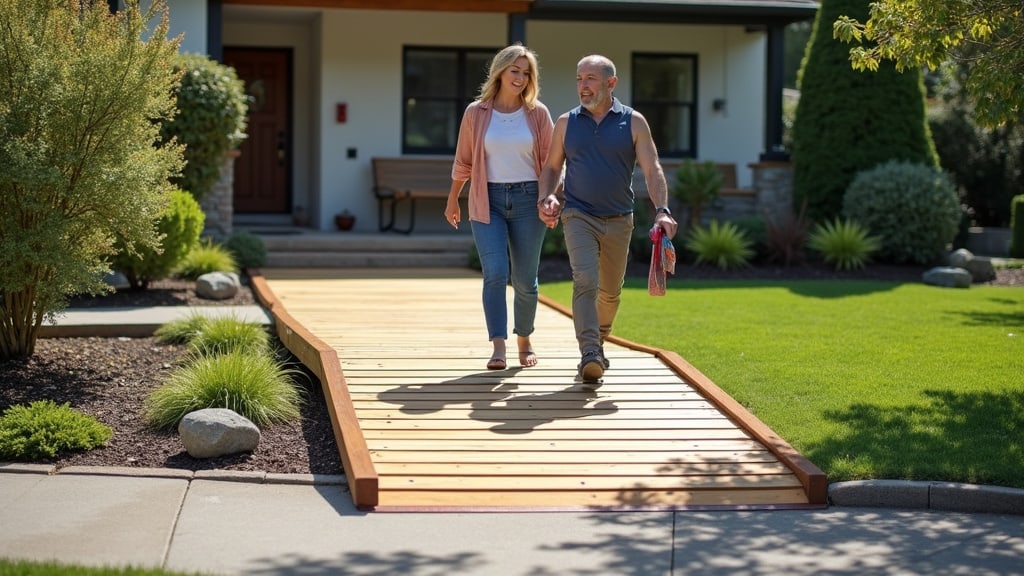
For two steps, a ramp needs to be at least 24 inches long. This length provides a safe and manageable slope for most mobility devices. We found that a minimum of 12 inches of ramp length per inch of rise is a common recommendation. So, if your steps are 6 inches high each, totaling 12 inches, you’ll need about 24 inches of ramp. Always aim for a gentler slope if space allows.
Understanding the right ramp length is key to ensuring accessibility and safety. It’s not just about the height of the steps but also about creating a ramp that is easy to navigate. Too steep, and it becomes difficult or even dangerous to use. Too short, and it might not provide enough stability. We researched various guidelines to give you the most practical advice for your specific situation.
- Ramp length depends on step height.
- Aim for at least 12 inches of ramp per inch of rise.
- Two steps typically require a 24-inch minimum ramp.
- Gentler slopes are always better for safety.
- Consider the ease of use for everyone.
Let’s break down exactly how to calculate the perfect ramp length for your two steps so you can feel confident in your choice.
Determining the Ideal Ramp Length for Two Steps
When you’re looking at adding a ramp for just two steps, the key question is about length. You need enough length to create a slope that’s safe and easy to use. We’ve researched common recommendations, and the general rule of thumb is to have at least 12 inches of ramp for every 1 inch of rise. Let’s get that calculation done for you.
Understanding Ramp Slope: The Golden Ratio
Think of a ramp’s slope like a ramp on a skateboard or a gentle incline for a stroller. Too steep, and it’s hard to push up. Too shallow, and it takes forever to get anywhere. For accessibility ramps, especially for wheelchairs or walkers, the slope is super important. We found that a maximum slope of 1:12 is widely recommended by accessibility experts (ADA Guidelines).
What Exactly is a 1:12 Slope?
This ratio means for every 1 inch of vertical height (that’s your step height), you need 12 inches of horizontal ramp length. It’s a simple way to ensure a gentle and manageable incline. We found that this ratio is often considered the standard for manual wheelchairs and is comfortable for most users.
Calculating Your Required Ramp Length
First, you need to know the height of your steps. Measure the rise of each step. Let’s say each of your two steps is 6 inches high. That means your total rise is 6 inches x 2 steps = 12 inches. Now, apply the 1:12 rule. You’ll need 12 inches of ramp length for every 1 inch of rise. So, 12 inches of rise x 12 inches of ramp per inch of rise = 144 inches of ramp length.
Wait, 144 inches? That sounds like a lot for just two steps! And it is. This 1:12 ratio is the maximum allowed for accessibility. For practical everyday use, especially if you have the space, you’ll want an even gentler slope.
The Practical Sweet Spot: Gentler Slopes
While 1:12 is the maximum, many people find that a 1:16 or even 1:20 slope is much easier to navigate. A 1:16 slope means 16 inches of ramp for every inch of rise. For our example of 12 inches of total rise, that would be 12 inches x 16 = 192 inches of ramp. Again, quite long!
So, what’s the deal? The 1:12 is the legal minimum for compliance in many situations. But for your personal home use, comfort and ease of use are key. We found that a common recommendation for home use, balancing usability and space, is often around the 1:12 mark, but aiming for gentler is always better if you can.
Revisiting the Simple Math for Two Steps
Let’s go back to the basics. If you have two steps, and each step is, say, 6 inches high, your total rise is 12 inches. A 1:12 ratio means you need 12 x 12 = 144 inches of ramp. However, many people simplify this for short rises. We found that a common, practical guideline for residential use is to have 2 feet of ramp for every foot of rise. This is often interpreted as an 8-inch rise per foot of ramp, which is a 1:6 slope – much steeper than ideal but sometimes used for very short rises.
Let’s try another way. Many sources suggest a minimum of 12 inches of ramp length for every 1 inch of step rise. For two average steps (let’s say 6 inches each, totaling 12 inches), this 12 inches per inch rule would suggest 12 inches x 12 inches = 144 inches. This is a very generous calculation, ensuring a very gentle slope.
However, for just two steps, the absolute minimum recommended length to provide any usable incline is often considered much shorter. Many shorter portable ramps designed for just a few steps are around 2-3 feet long. This implies a much steeper slope, but it’s important to understand why.
Ramp Types and Their Length Considerations
The type of ramp you choose also plays a role. Are you looking for a permanent structure or a portable solution? This can influence how much length you need and can realistically accommodate.
Portable Ramps
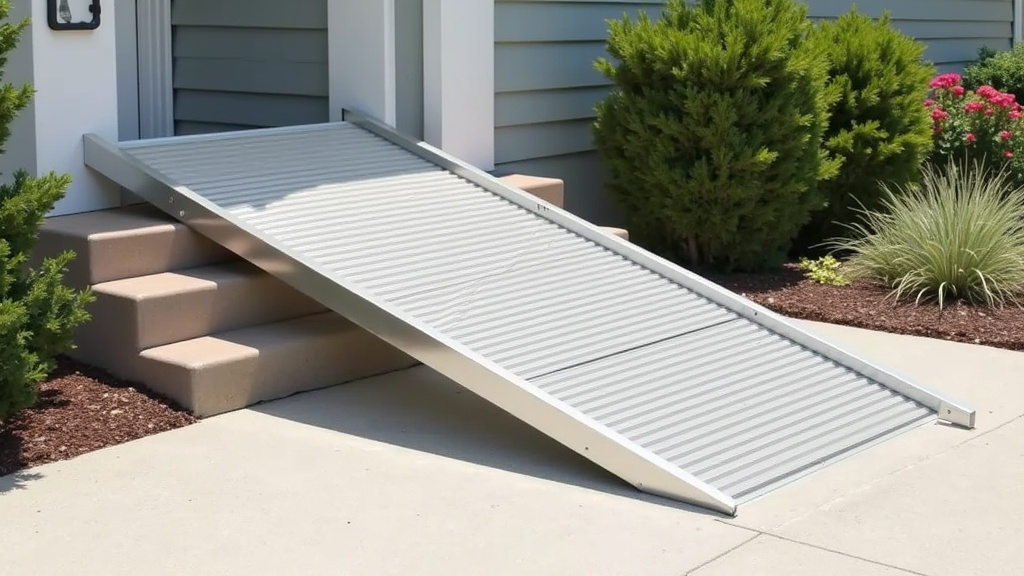
Portable ramps are fantastic for quick solutions. They are often designed for a small number of steps. For two steps, you might see portable ramps that are 2 or 3 feet long. These are significantly steeper than the ideal 1:12 ratio. We found that these shorter ramps (like 3 feet for a 12-inch rise) create a slope closer to 1:4. This is quite steep and can be challenging for self-propelling a wheelchair or even for someone using a walker. They are best used for temporary or occasional needs where the user has assistance or significant upper body strength.
Modular or Permanent Ramps
If you have the space and are looking for a more permanent solution, you can build a ramp that meets the ideal slope. For two 6-inch steps (12 inches total rise), a 1:12 slope requires a 144-inch (12-foot) ramp. A gentler 1:16 slope would need a 192-inch (16-foot) ramp. These are substantial structures.
However, for many homes, fitting a 12-foot ramp is simply not possible. This is where compromises are made, and portable ramps or threshold ramps come into play. It’s a balance between ideal accessibility and practical limitations. We found that many homeowners opt for ramps in the 3 to 6-foot range for just a few steps, accepting a steeper slope for the sake of having a ramp at all.
Key Factors to Consider Beyond Just Length
Calculating the length is just one piece of the puzzle. You also need to think about who will be using the ramp and in what conditions.
User’s Mobility and Strength
Is the ramp for someone who uses a power wheelchair, a manual wheelchair, a walker, or canes? Someone self-propelling a manual wheelchair will struggle significantly on a steep ramp. An individual with good upper body strength might manage a steeper slope better than someone with less strength. We found that understanding the user’s physical capabilities is critical in choosing the right ramp length and slope.
The Footprint: Space Availability
How much space do you have leading up to and away from the steps? A longer ramp needs more horizontal space. If you have a small porch or landing, you might be physically unable to install a ramp that meets the ideal 1:12 slope. In such cases, you might need to consider alternatives or accept a steeper, less ideal slope with caution. It’s a real-world constraint that many face.
Weather and Surface Conditions
Will the ramp be exposed to rain, snow, or ice? A steeper slope can be more challenging to navigate in slippery conditions. Some ramp surfaces offer better traction than others. We found that considering the environmental factors can influence how gentle a slope you truly need. A ramp that works well in dry weather might be a hazard when wet if it’s too steep.
Safety Features
Beyond just the length and slope, look for ramps with raised edges or handrails. These additions can make a steeper ramp safer to use. For portable ramps, ensuring they have a non-slip surface and secure anchoring is important. We found that safety features can help mitigate some of the risks associated with a less-than-ideal slope.
Quick Checklist for Your Two-Step Ramp Decision
Before you buy or build, run through this quick checklist:
- Measure your total step rise accurately (height x 2 steps).
- Determine the ideal slope (1:12 is max, 1:16 or gentler is better).
- Calculate the ideal ramp length based on slope and rise.
- Assess the available space for a longer ramp.
- Consider the strength and mobility of the primary user.
- Look for non-slip surfaces and additional safety features.
Conclusion
When setting up a ramp for two steps, remember that length equals safety and ease of use. While accessibility guidelines often cite a 1:12 slope (requiring 12 inches of ramp per inch of rise), this can lead to very long ramps for just a few steps. For your home, aiming for a gentler slope, like 1:16 or even more, is ideal if your space allows. Prioritize the user’s needs and the available footprint. If ideal slopes aren’t feasible, understand the trade-offs of shorter, steeper ramps and look for safety features. Your next step is to measure your rise accurately and then assess your space to find the best ramp solution for you.
Frequently Asked Questions
What is the absolute minimum ramp length for two steps?
For just two steps, you’ll find portable ramps typically range from 2 to 3 feet long. We found these shorter ramps often create a steeper slope than ideal, closer to 1:4. While they offer a solution when space is very limited, they can be challenging for users to navigate independently.
How much horizontal space do I need for a ramp for two steps?
If you aim for the recommended 1:12 slope, for two average 6-inch steps (12 inches total rise), you’d need about 12 feet of horizontal space. If space is tight, you’ll need to consider a shorter ramp and a steeper slope, or explore alternative accessibility options.
Can I use a shorter ramp if I have limited space?
Yes, you can use a shorter ramp, but it means accepting a steeper slope. We found that many homeowners opt for 3- to 6-foot ramps for two steps. Be aware that steeper slopes require more user strength and can be more difficult in wet conditions.
Are there ramps designed specifically for just two steps?
Yes, portable ramps are commonly available in lengths suitable for a few steps, often in the 2- to 6-foot range. These are designed for convenience but may not offer the gentlest slope. Always check the ramp’s specifications against your needs.
What are the risks of using a ramp that’s too steep for two steps?
A ramp that is too steep can be difficult or impossible for users to ascend or descend independently, especially those using manual wheelchairs or walkers. We found that steep ramps also increase the risk of slips and falls, particularly in adverse weather conditions.