How to Choose a Motorized Wheelchair Ramp for a Van
A motorized wheelchair ramp for a van must fit the vehicle, doorway, chair and user's combined weight, and the way you transfer or ride. Confirm the ramp's installation requirements, usable opening and operating method with the van converter before buying.
On this page (8 sections)
- What does a motorized wheelchair ramp for a van do?
- How do you check whether the ramp fits your van?
- What measurements and weight limits matter?
- Should you stay in the wheelchair or transfer?
- What installation details should you confirm?
- Are portable ramps or carriers alternatives?
- What should you ask before buying?
- How do you choose a motorized wheelchair ramp for a van?
A motorized wheelchair ramp for a van needs to match the van's door opening, the chair's dimensions and total loaded weight, and your preferred way to enter. Check the ramp type and installation with a qualified van conversion provider before you choose a model.
“Electric wheelchair ramps for vans” can refer to a powered ramp that lets you enter the van, while some vehicle ramps are manual or used for loading a mobility device onto a carrier. These solutions do different jobs, so start by describing exactly how you plan to use the ramp.
For a broader comparison of vehicle access options, see our best wheelchair ramps for vehicles guide.
What does a motorized wheelchair ramp for a van do?
A powered van ramp moves into position using an electric mechanism, helping bridge the vehicle entry for wheelchair access. The exact operation and fit depend on the conversion and ramp model.
Some ramps are part of a converted van's entry system, while portable ramps are placed manually and carriers use a ramp to load a chair onto an exterior platform. If you need a ramp for direct entry into the passenger area, make sure the supplier is discussing an installed access ramp rather than a hitch carrier.
The phrase “wheelchair ramp for vans electric” may describe a powered access ramp or an electric wheelchair being loaded with a ramp. Tell the supplier whether you plan to remain in your chair while entering, transfer to a vehicle seat, or load the chair separately.
How do you check whether the ramp fits your van?
Check the van's make, model, year, door configuration and interior layout with the converter. A ramp that fits one van conversion may not fit another, even when the vehicles share a nameplate.
Measure the clear doorway width and height, plus the space inside where the ramp needs to fold or stow. Note seats, trim, handles and other parts that may reduce usable clearance.
Ask whether the ramp needs structural changes, electrical work or a particular floor height. Confirm who installs it, what changes are made to the van, and whether the work affects any existing equipment or warranty.
Our guide to the best wheelchair ramps for vans can help you compare common van ramp approaches. If your vehicle is an SUV, see the best wheelchair ramp for an SUV for options tied to that vehicle style.
What measurements and weight limits matter?
Give the converter the chair's full dimensions and the combined weight of the chair and user. The ramp and vehicle need to support the intended load, and the doorway must leave enough room to enter without catching wheels or footrests.
Measure chair width at its widest point, overall length, seat height, footrest position and turning space. Include accessories and anything normally attached to the chair.
Ask for the ramp's rated capacity and the vehicle conversion's capacity in writing. Do not assume a high capacity for a separate carrier or driveway ramp applies to a powered van access ramp.
For context, our guide explains how heavy an electric wheelchair can be. Weigh the specific chair and accessories when possible, since chair type and configuration can change the total.
Should you stay in the wheelchair or transfer?
Choose a ramp setup based on how you plan to travel. Staying in a wheelchair during entry requires suitable ramp geometry, securement and accessible controls, while transferring may call for a different access arrangement.
Ask the installer how you will position the chair, operate the ramp and secure the chair for travel. Check whether you can reach the controls and whether another person is needed for any step.
If you use a mobility scooter instead, its dimensions, turning radius and loading method may differ from a power wheelchair. Our mobility scooter buying guide covers the basic choice between scooter types and features.
What installation details should you confirm?
Confirm who supplies and installs the ramp, what vehicle modifications are needed, and how the ramp is powered and operated. Ask for the installation plan before the van is altered.
Discuss the following with the converter:
- Whether the ramp is designed for your exact van configuration.
- How the ramp folds, deploys and stows.
- What electrical connection and controls it requires.
- Whether manual operation is available if power is unavailable.
- How the ramp is secured and maintained.
- Whether the installer provides training and documentation.
Ask the installer to demonstrate the full entry and exit process after the work is complete. Practice the controls and chair securement in the actual van before relying on it for a trip.
Are portable ramps or carriers alternatives?
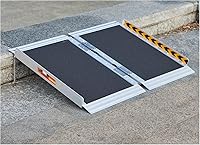
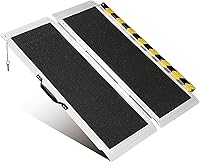
Portable ramps can work for some loading and access situations, but they are not automatically substitutes for an installed powered van ramp. Compare the ramp's length, width, capacity and where it will be used.
A portable ramp may be useful when you need to bridge a small height difference or load a device onto a vehicle carrier. It may require another person to position and manage it, depending on the ramp and user's needs.
If a removable ramp better fits your travel plan, read what a removable wheelchair ramp is and compare portable wheelchair ramps for vans. The types of wheelchair ramps and how they work guide also helps distinguish entry ramps from threshold and loading ramps.
These products address vehicle transport or curb transitions; they are not powered van entry ramps. Check their intended use and the fit with your vehicle and mobility device before choosing.
What should you ask before buying?
Ask for written confirmation of vehicle compatibility, capacity, installation needs and operating steps. A clear answer to each point can prevent a mismatch between the ramp, chair and van.
Use this checklist during a supplier call:
- Does this ramp fit my van's exact year, model and door configuration?
- What are the clear doorway dimensions after installation?
- What is the ramp's capacity, and what total load does it cover?
- Can I enter while seated in my specific chair?
- How does the ramp deploy, fold and stow?
- What vehicle modifications and electrical work are required?
- Who installs it, and will they show me how to operate it?
- What maintenance, backup operation and service support are available?
Take photos of the doorway and interior layout, and share the chair's measurements and weight. Ask the installer to confirm the proposed setup before scheduling conversion work.
How do you choose a motorized wheelchair ramp for a van?
Choose an electric wheelchair ramp for a van only after the converter confirms fit, capacity, operation and installation for your exact vehicle and chair. If you need a portable loading solution or curb bridge instead, compare those categories separately and confirm the intended use.
Match the setup to how you enter and travel, then ask for a demonstration before relying on it. For other van options, start with our best wheelchair ramps for vans guide.