How to Choose a Rubber Threshold Ramp for a Shower
Choose a rubber threshold ramp for a shower by matching its height to the curb, checking its fit and traction, and confirming water can drain safely. Measure the entry and test the route with the shower dry before regular use.
On this page (7 sections)
- How do you measure a shower threshold for a ramp?
- What makes a rubber ramp suitable for a shower?
- How should ramp height and slope match the curb?
- Which ramp materials and designs can you compare?
- How can you check grip, stability, and drainage?
- What if a rubber threshold ramp doesn't fit the shower?
- How do you choose a rubber threshold ramp for a shower?
A rubber threshold ramp for a shower should match the curb height and entry width, stay firmly in place when wet, and leave a safe path for water to drain. Measure the rise, opening, and available floor space before choosing a ramp.
A shower entry is a wet transition, so fit matters as much as material. Use the checks below to compare ramps for shower use and spot when another access option may fit better.
For a wider overview of styles, see our best threshold ramps for wheelchairs.
How do you measure a shower threshold for a ramp?
Measure the vertical rise, clear opening, and floor space before you shop. Those three measurements help narrow the ramp height, width, and depth that can fit.
Measure the rise from the bathroom floor to the top of the curb. Use a straightedge across the floor if the edge is rounded or uneven, and measure at more than one point if the curb height changes.
Next, measure the clear width of the shower entrance. Leave room for the door, curtain, frame, or nearby fixtures, and check whether the ramp would cover a drain or a path water needs to follow.
Finally, measure the space in front of the curb for the ramp's full depth. A short ramp can make a steep transition, especially when the rise is tall, so don't choose by height alone.
What makes a rubber ramp suitable for a shower?
A ramp is a better candidate for shower use when its material, surface, fit, and drainage all suit a wet entry. A rubber label by itself doesn't confirm that a ramp is meant for a shower.
Check whether the maker describes the ramp for wet or bathroom use and how it should be cleaned. Look for a textured surface, a broad contact area, and a design that can sit flat against the curb and floor.
Check how water will move around the ramp. It should not cover a drain, trap standing water, or send shower water into the bathroom.
If the ramp blocks drainage or shifts on the floor, it isn't a good fit for that setup.
Consider how you'll get the ramp in and out for cleaning, if needed. A ramp that is too heavy or awkward for the person responsible for it may be difficult to keep clean and correctly positioned.
How should ramp height and slope match the curb?
Choose a ramp that reaches the measured curb height with a gradual approach and fits the available floor space. A ramp that is too short for the rise can create a steep climb or descent.
Compare the ramp's stated height with your measured curb rise. If the top does not meet the curb cleanly, or the bottom rocks on the bathroom floor, the ramp may not provide a stable transition.
The required depth depends on both rise and the space available. If the ramp seems steep, don't force a short model into the opening.
Compare longer options or consider a different shower access arrangement.
For a low rise around 2 in, compare sizes and shapes in our best rubber threshold ramps for a 2-inch rise. The right choice still depends on the curb and the room available in your bathroom.
Which ramp materials and designs can you compare?
Compare rubber ramps with other threshold designs based on where they'll be used, how they fit, and whether they suit wet conditions. The examples below have different materials and stated uses, so none should be assumed to be shower-safe without checking its instructions.
Rubber option for a wider transition
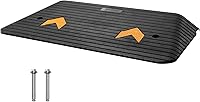
The Pyle Car Vehicle Curbside Driveway Ramp is made of synthetic rubber and has a textured surface. Its stated size is 48 in long by 16 in wide and 2.6 in high, and the pair is intended for curb, driveway, garage, and other uses.
Its dimensions and curb-focused use may make it worth comparing for a wider, low transition. The product information does not mean it's designed for shower use, so check with Pyle before considering it in a wet bathroom.
Aluminum option for a low threshold
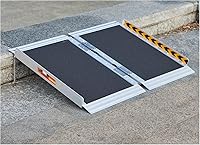
The EZ-ACCESS TRANSITIONS Aluminum Modular Threshold Ramp is a self-supporting aluminum model with a slip-resistant surface and pivoting flap. This version measures 34 in long, 9.5 in wide, and 1.5 in high.
Its stated height may suit a small transition, but aluminum is not rubber and the product is described for doorways and landings. Confirm whether the maker approves it for a shower's wet conditions.
Foam option for a taller doorway rise
The Silver Spring 5" Doorway Threshold Wheelchair Ramp has a solid foam core, waterproof coating, and rubberized surface. It measures 30 in long, 36 in wide, and 5 in high, and is described for doorways, steps, and curbs.
Its 5 in height is a substantial curb transition, so check the available floor space and approach carefully. The product information does not say it is intended for shower use; confirm wet-area suitability with the maker.
For a side-by-side look at rubber and other threshold shapes, see our best rubber threshold ramp guide.
How can you check grip, stability, and drainage?
Check grip, movement, and water flow with the shower dry first, then follow the ramp maker's instructions for wet use. Stop if the ramp shifts, rocks, or creates a puddle.
Place the ramp on a clean, dry surface and check whether its base sits flat. Make sure it meets the curb without a gap that could catch a wheel, foot, or mobility aid.
Look at the approach from both directions. A wheelchair or walker needs a clear path, and a person stepping over the ramp needs room to place their feet.
Don't assume a textured surface guarantees traction when soap or water is present.
Check the drain path before and after placing the ramp. If the ramp blocks water from leaving the shower or directs it under the bathroom door, choose another setup.
What if a rubber threshold ramp doesn't fit the shower?
If the ramp cannot sit flat, maintain drainage, or create a manageable transition, choose a different ramp shape or reconsider the access setup. A product designed for a doorway may not work at a shower curb.
A bridge ramp can span a gap without covering the whole curb, depending on its design. Compare dimensions and intended use in our best bridge ramp for threshold guide.
A ramp also doesn't make every shower accessible on its own. The entry width, door or curtain, turning room, and space for a chair can affect whether the setup works.
See how to use a shower curtain with a tub transfer bench if a bench and curtain are part of your plan.
Compare seating options too. Our shower chair vs shower stool guide explains how those formats differ, and using a tub transfer bench in a walk-in shower covers another setup.
How do you choose a rubber threshold ramp for a shower?
Choose a rubber threshold ramp for a shower only when its height, width, depth, grip, and drainage fit your actual entry. For shower-specific options, compare shower threshold ramps for wheelchairs.
Check the maker's wet-area instructions before relying on it in daily use.
Measure the curb and available floor space first. Pick a ramp that meets the floor and curb cleanly, stays stable, and leaves water a clear path to the drain.
If the ramp's stated use does not include showers, ask the maker before using it in one. Choose another access option if the ramp shifts, blocks drainage, or leaves a transition that is too steep.
For product comparisons, start with the best rubber threshold ramp options, then compare each model's measurements and intended use against your shower.
Frequently asked questions
How do I measure a shower threshold for a ramp?
Measure the vertical rise from the bathroom floor to the top of the shower curb, then measure the clear width of the entry. Check the space available for the ramp's full depth and approach.
Also note the shower door or curtain, nearby fixtures, and where water flows.
Are rubber threshold ramps safe to use in a shower?
A rubber ramp may suit a wet area if its material and surface are intended for that setting, but the word rubber alone does not confirm safe shower use. Check the maker's care and use instructions, confirm the ramp stays put, and keep water from pooling at the entry.
Can I cut a rubber shower threshold ramp to fit?
Don't cut a ramp unless its maker specifically allows it. Cutting can change the ramp's shape or stability.
Measure the opening and compare it with the ramp dimensions before buying, and choose a model designed for the needed width and rise.
What if my shower curb is too high for a threshold ramp?
A short threshold ramp may be too steep when the curb is high. Measure the rise and available floor space, then compare longer ramp options or a different shower access setup.
If the transition cannot be made stable and gradual, ask an accessibility professional to assess the entry.
Can a threshold ramp block shower drainage?
It can if it covers a drainage path or causes water to collect at the doorway. Check how water leaves the shower, preserve the drain route, and avoid a setup that sends water into the bathroom.
Follow the ramp maker's instructions for wet-area use.