9 Best Threshold Ramps for Wheelchairs (November 2026)
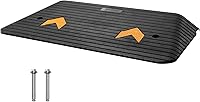
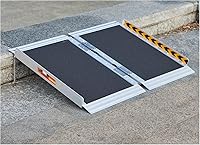
The best wheelchair threshold ramps include the EZ-ACCESS TRANSITIONS Aluminum Modular Threshold Ramp for adjustable doorway fit, the VEVOR 3" Rise Rubber Threshold Ramp for a 3 in rise, and the VEVOR Rubber Threshold Ramp for trimming to width.
On this page (7 sections)
- How we chose threshold ramps for wheelchairs
- The best threshold ramps for wheelchair doorways
- How do you measure a wheelchair threshold ramp?
- Should you choose a rubber or aluminum threshold ramp?
- What should you check before placing a doorway ramp?
- More guides on this topic
- Which threshold ramp should you choose?
The best threshold ramps for wheelchairs match the doorway rise and leave enough room for a steady approach. For an adjustable fit, start with EZ-ACCESS; for a fixed-height rubber ramp, match the measured sill to the VEVOR 3 in, VEVOR 1.6 in, or another rise-specific pick below.
A threshold ramp for wheelchair access needs to bridge the raised sill without creating a sharp edge at either end. Measure the height first, then compare the ramp's rise, depth, width, material, and placement method with the doorway and mobility device.
If you need a ramp for a taller step or a longer approach, review what wheelchair ramp types involve. A removable model may suit a doorway used by other household members, so see what a removable wheelchair ramp is.
Our picks at a glance
-
1
 Best for adjustable doorway fit
EZ-ACCESS TRANSITIONS Aluminum Modular Threshold Ramp
9.7/10 our score
See it on Amazon -
2
-
3

- 4
 Check it
Pyle Car Vehicle Curbside Driveway Ramp
Best for wide curb crossings - 5
 Check it
Nuvium 1" Rise Rubber Threshold Ramp
Best for a low sill - 6
 Check it
GANSNAY 2" Rise Threshold Ramp for Doorways
Best for a 2 in indoor rise - 7
 Check it
BESEA 3" inch Threshold Ramp Rubber Wheelchair
Best for a 3 in outdoor entry - 8
 Check it
Linkloos 1.5" Rise Rubber Threshold Ramp
Best for a 1.5 in rise - 9
 Best for covering cablesCheck it
How we chose threshold ramps for wheelchairs
We compared the rise, width, depth, material, surface, and placement features provided for each ramp. The scores reflect how closely those details fit the needs of someone bridging a doorway lip, plus stated compatibility with wheelchairs and other mobility aids.
Our score weighs specs, features and buyer feedback against what you're shopping for. A capacity figure alone does not show whether a ramp has the right slope, doorway fit, or surface for your setup.
| Product | Best for | Material | Ramp size | Load capacity | Our score |
|---|---|---|---|---|---|
| EZ-ACCESS TRANSITIONS Aluminum Modular Threshold Ramp | adjustable doorway fit | Aluminum | 34 x 9.5 x 1.5 in | 700 lb | 9.7 |
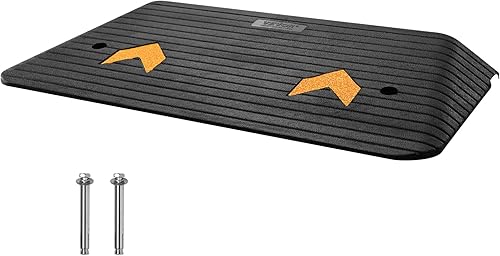
| VEVOR 3" Rise Rubber Threshold Ramp | a 3 in rise | Rubber | 35.5 x 17.7 x 3 in | 2,200 lb | 9.7 |
| VEVOR Rubber Threshold Ramp | trimming to width | Rubber | 35.4 x 7.9 x 1.6 in | 33,069 lb | 9.6 |
| Pyle Car Vehicle Curbside Driveway Ramp | wide curb crossings | Synthetic rubber | 11,000 lb on a flat surface | 9.5 | |
| Nuvium 1" Rise Rubber Threshold Ramp | a low sill | Rubber | 35.5 x 5.3 x 1 in | 2,000 lb | 9.4 |
| GANSNAY 2" Rise Threshold Ramp for Doorways | a 2 in indoor rise | Rubber | 31.5 x 8.7 x 2 in | 1,102 lb | 9.1 |
| BESEA 3" inch Threshold Ramp Rubber Wheelchair | a 3 in outdoor entry | Rubber | 36 x 18 x 3 in | 3,500 lb | 9.1 |
| Linkloos 1.5" Rise Rubber Threshold Ramp | a 1.5 in rise | Rubber | 35.4 x 7.87 x 1.5 in | 2,204 lb | 9.0 |
| Nenkoo 2" Rise Threshold Ramp | covering cables | Rubber-plastic | 39.3 x 9.8 x 2 in | 11,000 lb | 8.2 |
The best threshold ramps for wheelchair doorways
The EZ-ACCESS modular ramp is the most adaptable pick here, while the rubber options serve buyers who have measured a specific fixed rise. For wet-area access, see shower threshold ramps for wheelchairs.
Check the actual doorway opening and floor surfaces before choosing between them.
EZ-ACCESS TRANSITIONS Aluminum Modular Threshold Ramp: Best for adjustable doorway fit
- Modular aluminum sections
- Height options from 1 to 6 in
- Pivoting flap adjusts up to 1/4 in
- 700 lb load capacity
Removable sections and a pivoting flap help match changing doorway rises. The self-supporting aluminum design suits home entrances and patio doors.
Pros
- Height can be changed by removing or adding sections
- Slip-resistant extruded surface
- Weather-resistant aluminum
Cons
- The 9.5 in width needs a doorway clearance check
- Ramp height must be matched to the threshold
The EZ-ACCESS TRANSITIONS ramp is the strongest choice when the threshold height may need adjustment. Its modular aluminum sections can be removed to lower the ramp or paired with extension pieces to build it higher, with options spanning 1 to 6 in.
The pivoting flap adds up to 1/4 in of adjustment at the door edge. The extruded surface is designed for slip resistance, and the self-supporting setup avoids a bulky footprint at the entry.
At 34 in long and 9.5 in wide, it has a narrower profile than the wide rubber ramps below. That can help at a compact doorway, though you should confirm the usable width for your chair and the clearance around the door.
Choose this wheelchair ramp threshold for an entrance where adjustability and portability matter. Check that the chosen height and doorway width fit your measured opening.
VEVOR 3" Rise Rubber Threshold Ramp: Best for a 3 in rise
- 3 in rise
- 35.5 x 17.7 in footprint
- Beveled edges on all sides
- Grooved rubber tread
A broad, one-piece rubber ramp provides a gradual approach to a 3 in threshold from multiple directions. Its width and weight call for careful placement planning.
Pros
- Beveled approach edges on all sides
- Grooved surface
- No tools needed to assemble
Cons
- 29 lb weight makes moving it less convenient
- Rise is fixed at 3 in
The VEVOR 3 in ramp suits a threshold that measures close to 3 in and needs a broad approach from different directions. Its 35.5 x 17.7 in footprint has beveled edges on all sides, so it can bridge a rise at a doorway, garage, or other ground transition.
The grooved rubber surface is intended to add traction, and the one-piece design needs no tools to assemble. It weighs 29 lb, so plan its location before you set it down if you won't leave it in place.
This is a fixed-height ramp, so a doorway rise that differs from 3 in may leave a mismatch. Measure the sill and confirm the ramp will not interfere with the door swing.
Choose it when the rise matches and you want a wide rubber surface. For other sizes, compare the best adjustable threshold ramps for doorways before selecting a fixed profile.
VEVOR Rubber Threshold Ramp: Best for trimming to width
- 1.6 in rise
- 35.4 in wide
- Can be cut to fit
- Double-sided tape included
This narrow rubber ramp can be cut to fit a doorway width and includes double-sided tape for smooth floors. Measure the rise and width before making a cut.
Pros
- Cut-to-fit width
- Anti-slip stripes
- Tape included for smooth floors
Cons
- Fixed 1.6 in rise
- Narrow 7.9 in depth
The VEVOR Rubber Threshold Ramp works for a 1.6 in rise when you need to trim the width for a particular opening. Its 35.4 in length and 7.9 in depth make it a more compact option than the 3 in VEVOR ramp.
The striped surface is designed to add friction, and the included double-sided tape is intended for smooth floors. You can cut the ramp to fit the doorway width, but measure twice and account for the door frame before trimming.
Its depth is limited, so compare the incline and approach with the wheelchair or scooter using it. This pick makes most sense for a low sill where floor space is tight.
Choose this model if the 1.6 in rise matches your threshold and a narrow profile helps. If you prefer rubber across a specific rise, see the best rubber threshold ramp options.
Pyle Car Vehicle Curbside Driveway Ramp: Best for wide curb crossings
- 4 ft wide
- Textured surface
- Mounting holes
- Bottom channel for water or cable
The 4 ft width and curb-focused design suit some broad outdoor crossings. Check the approach angle and fit carefully because a driveway ramp may not suit a doorway.
Pros
- Wide crossing surface
- Textured for traction
- Can be permanently installed using edge holes
Cons
- Designed for curb and driveway uses
- Ramp height and length are not specified here
The Pyle curbside ramp is a broad outdoor option for a curb or driveway crossing, with a 4 ft width and textured surface. It is described for wheelchairs, walkers, carts, scooters, bikes, motorcycles, and vehicles, so its intended setting is wider than a typical door sill.
Preformed holes at the edges allow permanent installation in high-traffic areas. A channel underneath can carry water or cable, which may matter near a driveway or garage entrance.
The ramp's height and length are not specified in the available dimensions, so confirm those measurements before considering it for a wheelchair doorway. The 11,000 lb capacity applies on a flat surface and does not guarantee a suitable slope for your chair.
Choose this only if the curb or driveway setting fits your access need and the dimensions are confirmed. For a typical garage lip, compare the best garage door threshold ramp options.
Nuvium 1" Rise Rubber Threshold Ramp: Best for a low sill
- 1 in rise
- 35.5 in wide
- Can be cut to fit
- Adhesive strips included
A low profile fits a 1 in sill, and the width can be trimmed for a narrower opening. Adhesive strips are intended to help reduce shifting on clean, smooth floors.
Pros
- Low 1 in rise
- Cut-to-fit width
- Grooved surface
Cons
- Only 5.3 in deep
- Check flooring for possible color transfer
The Nuvium ramp is a low-rise option for a 1 in sill. Its 35.5 in width can be cut to fit a narrower opening, and the grooved top is designed to provide traction in wet or dry conditions.
At 5.3 in deep, this ramp takes up little floor space, but the short approach may be steep for some mobility devices. Check the chair's ground clearance and the user's ability to cross the incline safely.
Adhesive strips are included to help reduce shifting on clean, dry, smooth surfaces. The maker also advises checking flooring for possible color transfer before use.
Choose it for a measured 1 in threshold with limited floor depth. A deeper indoor ramp may be a better fit when there is more room, as covered in best indoor threshold ramps for doorways.
GANSNAY 2" Rise Threshold Ramp for Doorways: Best for a 2 in indoor rise
- 2 in rise
- 31.5 x 8.7 in footprint
- Grooved surface
- Can be cut with a saw
This fixed 2 in rubber ramp is a compact option for a matching doorway rise. It can be cut to width, but the short depth may create a steep approach for some users.
Pros
- No tools needed for placement
- Grooves provide tread
- Can be cut to fit
Cons
- Fixed 2 in rise
- Short 8.7 in depth
The GANSNAY 2 in ramp has a compact 31.5 x 8.7 in footprint for a 2 in rise. Its rubber body has grooves and can be cut with a saw to suit the opening width.
The short 8.7 in depth means you should check the approach before choosing it for a wheelchair. A matching rise does not guarantee a manageable incline, especially for a manual chair or a user who crosses without assistance.
It needs no tools or tape for placement and is described for indoor and outdoor use. The ramp is also intended for doorway transitions between rooms and outdoor areas.
Choose it when the measured sill is 2 in and a compact ramp works for the user and device. For a taller threshold, compare the best threshold ramp for a 4 inch rise.
BESEA 3" inch Threshold Ramp Rubber Wheelchair: Best for a 3 in outdoor entry
- 3 in rise
- 36 x 18 in footprint
- Rubber construction
- No assembly required
A wide one-piece ramp gives a 3 in entry a broad crossing surface. At 35 lb, it is better suited to a spot where it can stay in place.
Pros
- Wide 18 in footprint
- Textured surface
- Indoor or outdoor use
Cons
- Heavy to move often
- Fixed rise
The BESEA ramp offers a wide 18 in surface for a 3 in rise at a home entry, driveway, or curb. Its stated dimensions are 36 x 18 x 3 in, and the rubber construction needs no assembly.
This model weighs 35 lb, which may make it less convenient to move often. The textured surface is intended for traction, and its stated capacity is 3,500 lb.
Check the rise and approach carefully before using it at a doorway. The wide footprint may suit a location with room on both sides, but it can take up more floor space than a narrow threshold strip.
Choose it for a fixed outdoor entry where a broad surface is useful. For a doorway that slides open, see the best sliding door threshold ramp.
Linkloos 1.5" Rise Rubber Threshold Ramp: Best for a 1.5 in rise
- 1.5 in rise
- 35.4 x 7.87 in footprint
- Beveled edges
- Can be cut to fit
This solid rubber ramp fits a 1.5 in rise and has beveled edges on both sides. It can be cut with a tool if the width needs adjustment.
Pros
- Beveled edges
- Can be cut to width
- Indoor or outdoor use
Cons
- Fixed 1.5 in rise
- Narrow depth
The Linkloos ramp fits a 1.5 in rise and has beveled edges on both sides. Its 35.4 x 7.87 in size makes it a narrow one-piece choice for a low threshold.
The rubber surface is patterned to increase friction, and the ramp can be cut with a tool if the width needs adjustment. It is described for indoor and outdoor use, including wheelchairs and scooters.
Because the ramp is only 7.87 in deep, compare the slope with the user's chair and ability before placing it. A longer ramp may be easier to approach when the available floor space allows it.
Choose this model if the 1.5 in height is an exact match and you want beveled edges. For a wet-area transition, read how to choose a rubber threshold ramp for a shower.
Nenkoo 2" Rise Threshold Ramp: Best for covering cables
- 2 in rise
- 39.3 x 9.8 in footprint
- Cable channels underneath
- Grooved surface
Three underside channels route cables beneath the ramp, which can help where a wire crosses a low threshold. Its maker recommends assistance for wheelchair use on the 11-degree incline.
Pros
- Underside cable channels
- Longer 39.3 in dimension
- No tools needed for placement
Cons
- Maker advises assistance for wheelchair use
- Fixed 2 in rise
The Nenkoo ramp is a 2 in option with three channels under the surface for cables, wires, or hoses. Its 39.3 in long dimension gives it a longer approach than several compact rubber ramps here.
The top has a grooved texture, and the ramp needs no tools for placement. The maker describes an 11-degree incline and recommends assistance when a wheelchair crosses it, so factor that guidance into the decision.
The cable channels can be useful where a cord crosses a threshold, but make sure the cable fits the channels and does not create a hazard at the ends. Its fixed rise must also match the sill.
Choose this ramp if cable routing is part of the doorway problem and a 2 in rise fits. For an indoor setup with more room, compare best indoor wheelchair ramps.
How do you measure a wheelchair threshold ramp?
Measure the vertical rise from the lower floor to the top of the sill, then measure the clear width of the doorway. Also note the available floor depth on each side, the door swing, and any trim that could block the ramp.
Match the ramp height to the measured rise and compare its width with the wheelchair's usable path. A ramp that is too narrow or too steep can make a doorway difficult to cross even if its height matches.
For a scooter, check the device width and ground clearance as well as the turning space near the door. The ramp needs to meet both floors without rocking or leaving a sharp lip.
Should you choose a rubber or aluminum threshold ramp?
Rubber suits buyers who want a one-piece ramp with a fixed rise, while modular aluminum can offer height changes. The right material depends on how often you move the ramp, how closely the sill matches a standard height, and whether it will sit indoors or outdoors.
The EZ-ACCESS ramp has removable sections and a pivoting flap for adjustment. Most rubber picks here have a set height, though some can be cut across the width to fit the doorway.
Rubber options also vary in depth and weight. A broad ramp may offer more surface area but take up more floor space, while a short strip can create a sharper incline.
Aluminum can be a practical choice for a threshold that needs a tailored setup. Compare the best aluminum threshold ramp options if you want to focus on that material.
What should you check before placing a doorway ramp?
Check the floor surface, door clearance, and ramp movement before regular use. The ramp should sit flat, meet each surface cleanly, and stay in its intended position.
Some rubber ramps include adhesive strips or tape intended for smooth floors. Follow the placement instructions and confirm that adhesive is suitable for your flooring before using it.
A removable ramp may need to be moved for a door to close or for other household traffic. If the doorway is used by a walker as well as a wheelchair, review the adult walker for seniors guide for fit considerations.
For bathroom use, check how water affects the approach and floor grip. A commode chair buying guide may help with broader bathroom mobility planning, while a shower threshold calls for a ramp intended for that setting.
More guides on this topic
Which threshold ramp should you choose?
Choose the EZ-ACCESS model if you need height adjustment, the VEVOR 3 in ramp for a matching tall rise and wide surface, or the Nuvium for a measured 1 in sill with little floor depth. For every fixed-height ramp, start with the threshold measurement and confirm the approach works for the person and mobility device.
Compare a bridge ramp for a threshold when the doorway needs a bridging shape, or review best rubber threshold ramps for a 2-inch rise for a focused look at that height.
Our top 3 picks at a glance
-
1
Best for adjustable doorway fit
EZ-ACCESS TRANSITIONS Aluminum Modular Threshold Ramp
9.7/10 our score
See it on Amazon -
2
-
3
Frequently asked questions
How do I choose the right threshold ramp height?
Measure the vertical rise from the lower floor to the top of the threshold, then choose a ramp made for that height. A ramp that is too tall can leave a lip, while one that is too low may not meet the sill.
Check the ramp's full dimensions and your doorway clearance before ordering.
Are rubber or aluminum threshold ramps better?
Rubber ramps are often one-piece options with a fixed rise, while modular aluminum ramps can allow height changes by adding or removing sections. Choose based on the exact rise, surface, and whether you need to move or adjust the ramp.
Also check width, depth, and how the edges meet each floor.
Can I use a threshold ramp with a mobility scooter?
Some threshold ramps are intended for scooters as well as wheelchairs, but suitability depends on the scooter's width, ground clearance, turning space, and the ramp's slope. Measure the device and doorway, then check the ramp dimensions and use guidance.
Get help if you are unsure whether the approach is safe.
How can I keep a threshold ramp from shifting?
Use the placement method designed for that ramp and floor. Some models include adhesive strips or tape for smooth surfaces, while others have a self-supporting or one-piece design.
Keep both surfaces clean and dry, and check the ramp's position before each use, especially after moving it.